Choosing the best hema free builder gel in 2026 means navigating a narrow but real category — legitimate HEMA-free options exist, but most "hypoallergenic" claims need verification. This guide names the three picks I trust for sensitivity-aware users, walks through what to look for on the ingredient label, and slots into the broader Builder Gel Atlas for system context.
Editor Picks — Amazon
Top picks for best hema free builder gel
Curated from current Amazon ratings and review counts.

modelones Jelly Gel Nail Polish 6 Colors Hema Free Transparent Jelly Milky Pink Sheer Pink Neutral Nude Gel Polish Nail Soak off Nail Polish French Nail Art Manicure DIY Home Salon Gift Women
$12.99
Amazon price as of Sep 19, 2026

Makartt Hema-Free Poly Nail Gel Clear 50ML Gel Builder for Natural-Looking Strengthener 3D Molding Gel for Trendy Nail Art Long-Lasting and Easy to Use for Home Salon
$9.99
Amazon price as of Sep 19, 2026

modelones Builder Nail Gel, 7-in-One Clear Builder for Nails, LED Lamp Cured Color Rubber Base Gel Polish Coat Strengthener Thickening Extension Rhinestone Glue in a Bottle for DIY Home Salon Gifts
$8.49
Amazon price as of Sep 19, 2026

Beetles Builder Gel for Nails,0.5oz Jelly Pink Building Gel HEMA & TPO Free,7 in 1 for Strengthening Nails Building Apex & Extension with Nail Art Brush, Beginner Friendly,DIY UV Nail Salon at Home
$9.49
Amazon price as of Sep 19, 2026
Scroll →
Product prices and availability are accurate as of Sep 19, 2026 and are subject to change.
Why HEMA-Free Matters
HEMA — 2-Hydroxyethyl methacrylate — is the most common sensitizer in builder gel formulas. Repeated exposure can trigger acrylate contact dermatitis, an allergic reaction that, once developed, often persists for life. The American Academy of Dermatology has tracked rising case rates over the past five years specifically tied to gel manicures and at-home gel exposure (AAD acrylate allergy reference).
The risk is cumulative. Each exposure to HEMA — especially when uncured gel touches skin — raises your future risk of permanent sensitization. Once sensitized, you may react to all acrylate-based products, including dental sealants, medical adhesives, and printers' inks. This is not a "small chance" issue. It is a "this can permanently change what products your body tolerates" issue.
If you have:
- Reacted to a gel manicure before (redness, itching, swelling around cuticles)
- Worked in a salon doing daily gel application
- Done builder gel sets for 5+ years
- Family history of acrylate allergies
Switching to HEMA-free is meaningful insurance. This guide covers the legitimate HEMA-free options in 2026 and what to verify before buying.
For broader builder gel selection, see best builder gel products.
The HEMA-Free Builder Gel Reality in 2026
Honest assessment: the HEMA-free builder gel market is small. Most "HEMA-free" claims need verification because:
- Some brands replace HEMA with other acrylates (HPMA, EMA) that are also sensitizers — just less common ones
- "Hypoallergenic" is unregulated — anyone can use the term
- Formula reformulations mean the same product line can be HEMA-free in one season and HEMA-containing the next
- Cure consistency suffers in many HEMA-free formulas because HEMA was a key cross-linking agent
This means the field of legitimate, well-performing HEMA-free builders is narrow. Three picks lead in 2026.
The 3 Picks
#1 — Au Lait HEMA-Free BIAB™ (The GelBottle)
The clearest HEMA-free recommendation in 2026. Au Lait is The GelBottle's HEMA-free version of their flagship BIAB.
Why this leads:
- Same self-leveling, brush-on application as standard BIAB
- Performance is genuinely comparable to the HEMA-containing version (most HEMA-free formulas cure inconsistently — Au Lait does not)
- Brand transparency about formulation
- Pro-grade quality
- Wear time 21+ days
Where it falls short:
- Premium pricing ($$$ tier)
- Limited shade range vs full BIAB line
- Milky-white tone (not crystal clear)
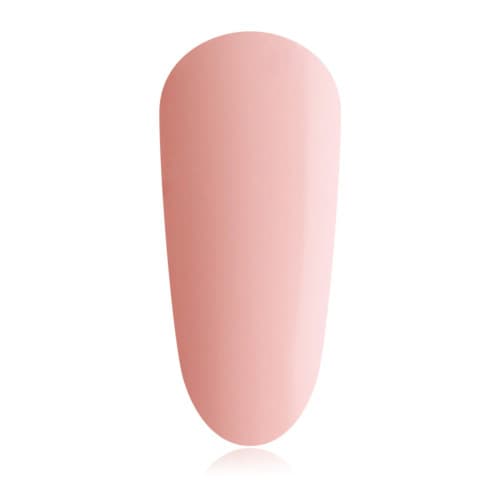
Au Lait HEMA-Free BIAB™
$50–$120
#2 — Beetles HEMA-Free Builder Gel 8-in-1 (Budget Amazon Pick)
The most affordable HEMA-free builder gel kit on Amazon in 2026. The Beetles 8-in-1 HEMA-Free kit ships with handheld nail lamp + 8 builder gel shades + base/top coat at a budget-tier price. Real Amazon reviews skew positive (4.4★ across 4,000+ ratings), making this the budget HEMA-free pick when Au Lait pricing is out of reach.
Why this is a real option:
- Genuinely HEMA-free formulation (not just marketing)
- Includes a handheld lamp (saves the separate lamp cost)
- 8 shade variety for color builder practice
- Strong Amazon review base for verification
- Significantly cheaper than pro HEMA-free options
Where it falls short vs Au Lait:
- Cure consistency is good but not pro-tier
- Wear time slightly shorter (typically 16-19 days vs 21+ for Au Lait)
- Less brand customer service
For sensitivity-aware users on a tight budget, this is a legitimate entry point to the HEMA-free category.

Beetles Builder Gel Nails Kit HEMA-Free 8-in-1
$21.99
Amazon price as of Sep 19, 2026
#3 — Other Brand HEMA-Free Options (Various)
A handful of smaller brands offer HEMA-free builder gels in 2026. Quality varies. Look for:
- Brand transparency — full ingredient list available, not just "HEMA-free" marketing
- Independent reviews — confirmed wear time, confirmed cure performance
- Price point similar to pro brands — HEMA-free formulation is genuinely more expensive to produce; suspiciously cheap "HEMA-free" gels often substitute other sensitizers
For most users, the Au Lait BIAB™ (pro-tier) and Beetles 8-in-1 HEMA-Free (budget Amazon) cover the meaningful HEMA-free options.
#4 — DIY Workaround: HEMA-Containing Builder With Strict No-Skin-Contact Discipline
If your sensitization risk is moderate (not yet reacted, but cautious), the practical alternative to a HEMA-free formula is using a standard builder gel with rigorous "no skin contact" application:
- Apply gel with a 0.5-1mm gap from cuticle and sidewalls
- Wipe any flooding immediately, before cure
- Wear nitrile gloves during removal (acetone exposure)
- Take 5-7 day breaks every 4-6 sets
- Apply cuticle oil consistently to maintain the skin barrier
This is not as safe as HEMA-free, but it dramatically reduces sensitization risk. For users who cannot afford pro HEMA-free pricing, it's the practical compromise.
What to Look for on the Label
Before buying any "HEMA-free" builder gel, verify:
Required absence:
- HEMA (2-Hydroxyethyl methacrylate)
- HPMA (2-Hydroxypropyl methacrylate) — closely related sensitizer
Often-substituted (still sensitizers):
- Isobornyl methacrylate
- Ethyl methacrylate (EMA) — common in acrylic, not common in builder gel but occurs
Generally lower-risk acrylates:
- Urethane methacrylate (in some HEMA-free formulas)
- Acrylated polymers (specific to brand formulations)
Brand transparency markers:
- Full INCI ingredient list published
- "Patch test recommended" language (responsible brands say this)
- Specific certifications (some brands certify with allergy organizations)
If a brand claims "HEMA-free" but won't share the full ingredient list, treat with skepticism.
How to Test Tolerance Before a Full Set
If you are switching to HEMA-free or trying a new gel after a past reaction, do a patch test first:
- Apply a small amount of the gel to a discreet area (inside of forearm, not near nails)
- Cure under your lamp at the same time you would normally cure (60-90 sec)
- Wait 24 hours
- Check for redness, itching, swelling, or blistering
- If clear: do one nail with the gel and watch for 48 hours
- If clear: proceed with full application
This adds 2-3 days to your testing cycle but catches reactions before they become serious.
What to Do If You Have Already Reacted
If you've had any of:
- Persistent itching around the cuticles after gel application
- Redness or swelling that doesn't resolve in 24 hours
- Small blisters or rash near the nail bed
- Increasing sensitivity over multiple sets
Stop using all builder gel products immediately. Even HEMA-free formulas can trigger reactions in already-sensitized users (other acrylates may also cause reactions once you're cross-sensitized).
See a dermatologist for patch testing — they can identify which specific monomers you're reacting to. Once you have that information, you can choose products that avoid your specific allergens (or stop gel products entirely).
The American Academy of Dermatology covers this on their acrylate allergy page.
Application Tips for HEMA-Free Gels
HEMA-free formulas often need slightly different application:
- Cure 30-60 seconds longer than HEMA-containing gels — the cross-linking is sometimes less efficient without HEMA
- Apply thinner layers — HEMA-free gels can cure inconsistently in thick beads
- Use 48W+ LED lamps — borderline lamps fail more often with HEMA-free formulas
- Maintain the no-skin-contact discipline — even with HEMA-free, other acrylates can sensitize
For full application technique, see how to use builder gel.
Read next
How to Use Builder Gel: Salon-Tested 8-Step Application for Beginners (2026)
The exact 8-step builder gel routine I use on clients — prep, base, slip layer, apex placement, cure, refine, top coat, finish. With timing, common mistakes, and per-step troubleshooting.
Continue readingCommon HEMA-Free Issues
| Issue | Cause | Fix |
|---|---|---|
| Less self-leveling than expected | HEMA was a flow agent; HEMA-free formulas often firmer | Apply slightly thicker layer, longer settle time |
| Cure feels marginal | HEMA-free formulas more lamp-dependent | Upgrade to 48W+ LED, cure 90s for clear |
| Soak-off takes longer | Different cross-linking chemistry | File more aggressively before soak (file 85% vs 80%) |
| Adhesion seems weaker | Some HEMA-free formulas need primer | Use a HEMA-free primer pre-builder |
Frequently Asked Questions
Best HEMA-free builder gel? The GelBottle Au Lait BIAB™ is the clearest 2026 recommendation. Performance is comparable to the standard BIAB, just engineered without HEMA monomer.
Best HEMA-free builder gel for nails? Same answer — Au Lait BIAB. Other smaller-brand HEMA-free options exist but quality varies significantly.
Best builder gel hema free? Au Lait BIAB. The hyphenation difference doesn't change the answer.
Hypoallergenic builder gel — is it HEMA-free? Not necessarily. "Hypoallergenic" is an unregulated marketing term. Always verify the actual ingredient list rather than trusting the hypoallergenic label.
Non-HEMA builder gel options? Au Lait BIAB is the leading option. A few smaller brands offer alternatives but with less proven track records.
HEMA-free BIAB — is that the same as Au Lait? Yes. Au Lait is The GelBottle's specific HEMA-free BIAB formulation. The line name "Au Lait" refers to the milky tone.
Best builder gel for sensitive skin? HEMA-free options first (Au Lait BIAB). If you are not sensitized but want to minimize risk, any pro-grade builder gel applied with rigorous no-skin-contact discipline.
Is HEMA-free safer than HEMA-containing builder gel? Generally yes — but not 100% safe. Some users sensitize to other acrylates even after switching to HEMA-free. The risk is reduced, not eliminated.
Are HEMA-free builders less effective than standard? The leading HEMA-free option (Au Lait BIAB) performs comparably to its HEMA-containing counterpart. Lower-quality HEMA-free gels may cure inconsistently or wear shorter — quality varies.
How do I know if I'm allergic to HEMA? Patch test by a dermatologist is the only reliable way. Symptoms (redness, itching, swelling around cuticles after gel application) suggest allergy but specific identification requires medical testing.
Should I switch to HEMA-free if I haven't reacted yet? Reasonable as preventive measure if you do builder gel sets weekly or more, especially if you have other contact-allergy history. Not strictly necessary if you do occasional sets with strict application discipline.
Cost Considerations for HEMA-Free
HEMA-free builder gels cost meaningfully more than standard formulas. Concrete pricing in 2026:
- Au Lait BIAB™ standalone: $$$ tier, around $24-$28 per bottle vs $20 for standard BIAB
- HEMA-free starter kits: $90-$130 minimum vs $30-$80 for HEMA-containing equivalents
- Per-set cost over a year: about 30-40% higher than HEMA-containing equivalents
The premium reflects genuinely more expensive raw materials and tighter QC requirements. If your sensitization risk is real (past reaction, daily exposure, family allergy history), the premium is worth it. If you're cautious without specific risk factors, the standard pro brands (BIAB standard, Light Elegance, Kokoist) with rigorous no-skin-contact discipline are an acceptable middle ground.
Reading Ingredient Lists Carefully
The challenge with HEMA-free verification is that ingredient labels use chemical names rather than consumer-friendly terms. Quick reference:
Look for these on the label (sensitizers — should be ABSENT in HEMA-free):
- 2-Hydroxyethyl methacrylate (= HEMA)
- 2-Hydroxypropyl methacrylate (= HPMA, similar risk)
- Isobornyl methacrylate (some risk)
Often present in HEMA-free formulas (lower-risk acrylates):
- Various urethane methacrylates
- Acrylated polymer blends (brand-specific)
A reputable HEMA-free brand will publish the full INCI ingredient list. If they only say "HEMA-free" without specifics, treat with skepticism.
Final Notes from Sara
The HEMA-free builder gel market in 2026 is real but small. The Au Lait BIAB is the genuinely good option. Other "HEMA-free" gels exist but require careful ingredient verification before trusting them.
If you've reacted to gel before, see a dermatologist before trying any new formula — they can identify exactly which monomers your skin reacts to, which is more useful than guessing.
If you're cautious and want to reduce future risk, switching to Au Lait BIAB is straightforward and the performance is comparable to standard pro builder gels.
For broader product picks across the builder gel category, see best builder gel products and best builder gel kits.
For pro-tier picks (HEMA-containing for non-sensitive users), see best professional builder gel.
Last updated May 2026. This article uses AI assistance for research and structure; recommendations come from my own salon experience and client feedback.