The best builder gel brush is almost never the brush that comes bundled with your builder gel kit. The bundled brushes are afterthoughts — manufacturers ship them because customers expect a brush in the box, not because the brush is well-suited to builder gel. After two years of throwing away bundled brushes and slowly assembling a working bench rotation, here is what I have learned about what actually sculpts builder gel cleanly.
If I could spend an extra $15 on the worst builder gel kit on Amazon and add the right brush to it, the manicure outcome would jump dramatically. The brush is the single most under-rated upgrade for at-home builder gel work.
What Builder Gel Asks of a Brush That Gel Polish Does Not
Builder gel is thicker than gel polish. Thicker gel asks more of the brush than thin gel polish does. Specifically:
- Stiffer bristles. Builder gel does not flow off a soft brush the way gel polish does. A too-soft brush pushes the gel around the nail without depositing it cleanly.
- Flatter shape. Builder gel needs to be deposited as a bead and then shaped. A round brush is great for color polish, but a flat-square brush is what shapes the apex.
- Better tension at the tip. Builder gel beads have to release from the brush cleanly when you press them onto the nail. A brush that holds the bead too tightly drags it out of position.
- More chemical resistance. Builder gel chemistry is harder on bristles. A bristle that softens in builder gel loses its shape within a few applications.
The brushes that meet all four criteria are not common in beginner kits.
What to Look For When Buying
Six attributes that separate a working builder gel brush from a bundled afterthought:
1. Bristle material: synthetic, specifically Taklon or PBT-blend. Natural-hair brushes (kolinsky sable, for example) are excellent for acrylic but absorb builder gel monomers, which softens them and contaminates the next bottle. Stick to synthetic for builder gel.
2. Shape: flat-square or flat-oval. The flat shape lets you deposit a bead and then drag-shape it. Round brushes work for filling, not sculpting.
3. Size: #6 or #8 for most natural-nail work, #10 for extensions. The number references the brush head width. #6 is the workhorse size. If you can only buy one, buy #6.
4. Stiffness: medium-firm (around 4-5 on a 10-scale where 1 is mascara-soft and 10 is house-paint bristle). Too soft and the gel will not move predictably. Too stiff and the brush leaves visible strokes that do not self-level.
5. Ferrule (metal band) quality: crimped tight, no loose bristles. Loose bristles end up in your manicure. A few stray bristles from any new brush is normal; ongoing shedding means the ferrule is bad.
6. Handle length: long enough to hold like a pencil, not so long it counterweights. Most pro brushes are 6-7 inches total. Anything shorter is cosmetic kit packaging.
My Bench Rotation
I keep four builder gel brushes in active rotation, sized for different jobs. The brushes I most often recommend are also the ones included in the higher-quality builder gel kits — buying the kit gets you the brush.
Brushes that come with the kits I trust
Builder gel kits whose included brush is actually usable
These four kits include builder gel brushes I would actually keep. The brush alone justifies kit pricing if you would otherwise buy a brush separately.

beetles Gel Polish
$6.99
Amazon price as of Oct 19, 2026

PANA USA Acrylic Nail Brush Pure Kolinsky Hair Acrylic White Swirl Blue Handle with Pink Ferrule Round Shaped - Size 8
$22.99
Amazon price as of Oct 19, 2026
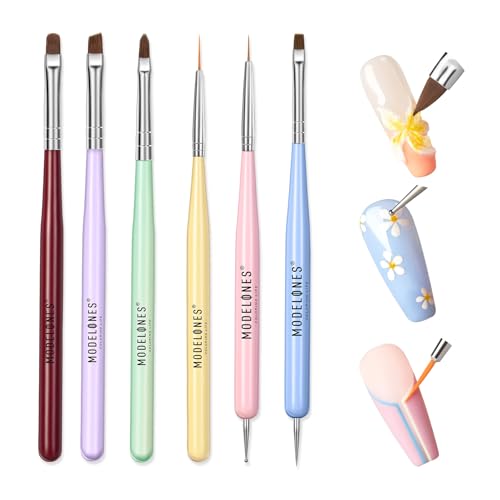
Modelones Nail Art Brushes Set, Nail Brush kit Gel Polish, Extension Gel, Liner, Clean up, Carving, Apex Building, Dotting Pens Professional Tools for Drawing Painting 3D Design Salon & DIY Use
$6.29
Amazon price as of Oct 19, 2026

MelodySusie Nail Art Brushes Set,6pcs Nail Art Design Pen Painting Tools with Extension Gel Brush, Polish Brush, Builder Brush,Liner Brush, Carved Brush, and Dotting Pen for Home DIY Salon Use
$5.99
Amazon price as of Oct 19, 2026
Scroll →
Product prices and availability are accurate as of Oct 19, 2026 and are subject to change.
#1 — SAVILAND Kit Brush
The SAVILAND builder gel kit with drill ships a flat-square synthetic brush that is genuinely usable. It is roughly #8 size, medium stiffness, with a proper ferrule. I have used this brush extensively without re-buying. For under $45 total kit price (which includes the gel, base, top, lamp, and drill), the brush is essentially free.

SAVILAND Builder Gel Kit with Nail Drill
$28.99
Amazon price as of Oct 19, 2026
#2 — Beetles HEMA-Free Kit Brush
The HEMA-free 8-in-1 kit includes a smaller flat-oval brush, roughly #6 size. Softer than the SAVILAND brush, better for natural-nail overlays where you do not need to push much gel around. Bristles are PBT synthetic — they have held up to two years of use on my test bench.

Beetles Builder Gel Nails Kit HEMA-Free 8-in-1
$21.98
Amazon price as of Oct 19, 2026
#3 — Beetles 3-Piece 15ml Brush
The step-up Beetles kit ships a slightly firmer brush, matched to their firmer 15ml builder gel viscosity. This brush is what I reach for when sculpting an apex on extensions. The bristle is stiffer than the 8-in-1 brush, which gives more control on thick beads.

Beetles 3-Piece 15ml Builder Nail Gel Set
$11.99
Amazon price as of Oct 19, 2026
#4 — Mia Secret Formagel Kit Brush
The Mia Secret Formagel kit ships an Italian-style firm flat brush, closer to a pro acrylic brush than a typical Amazon gel brush. It is stiffer than most of the budget-tier kit brushes — this is the brush I would recommend for users specifically aiming at sculpted extensions.
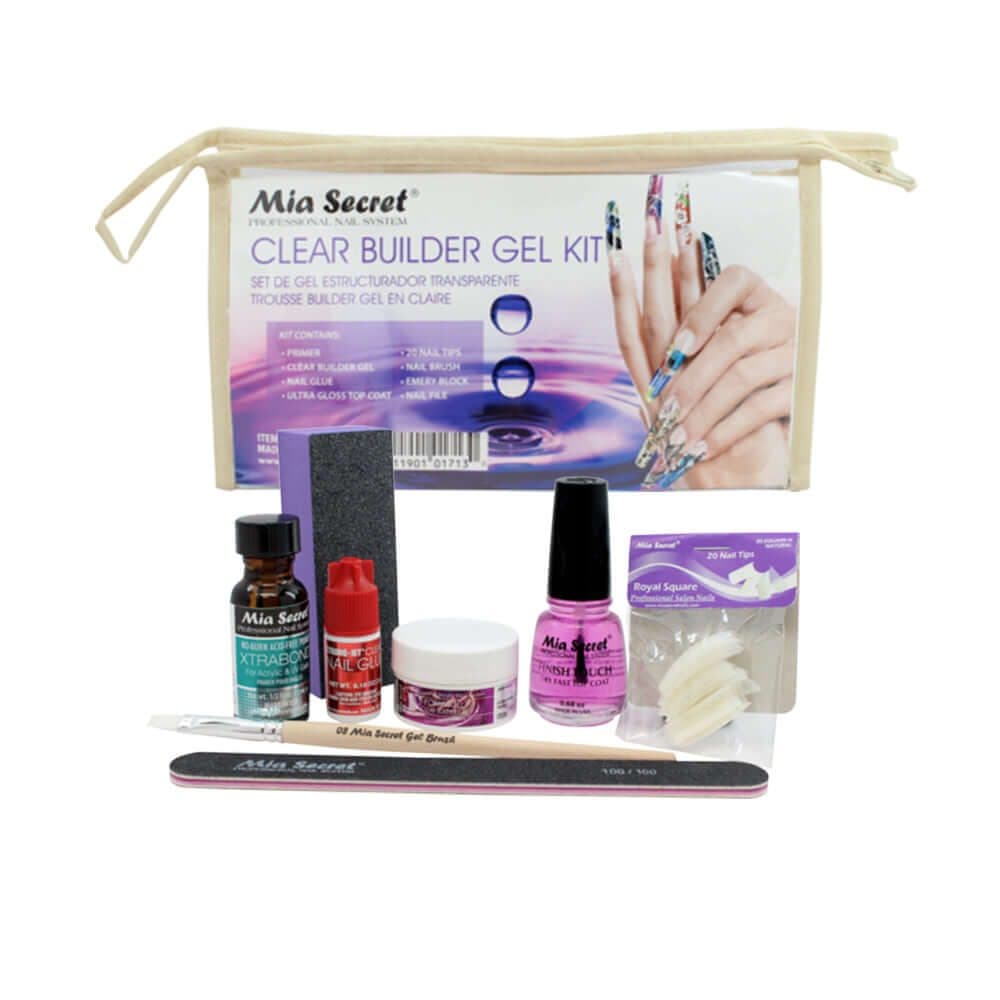
Mia Secret Formagel Builder Gel Kit
$25.93
Amazon price as of Oct 19, 2026
Brush Sizes Explained
The size numbers on nail brushes follow art-brush conventions but are not standardized between manufacturers. Practical sizing:
| Brush # | Approx. head width | Best for |
|---|---|---|
| #2 | 2-3mm | Detail work, accent nails, color drops |
| #4 | 4-5mm | Small natural nails, French line work |
| #6 | 6-7mm | Most natural nails, default workhorse |
| #8 | 8-9mm | Larger nails, fast overlays |
| #10 | 10-12mm | Extensions, full-coverage tips |
| #12+ | 13mm+ | Acrylic work primarily, rare in gel |
If you can only buy one brush, buy a #6. It handles most natural-nail work and you will not feel limited by it.
The Brush Care Routine That Doubles Lifespan
Builder gel brushes can last years or weeks depending on care. Five habits that have kept my brushes in service:
1. Never let gel cure in the brush. Even ambient room light can slow-cure gel residue inside the ferrule. Wipe the brush clean with a lint-free wipe after every use, and store the brush in a dark place — a brush cap, a drawer, or a closed brush roll.
2. Clean with monomer or specialized brush cleaner, not acetone. Acetone shrivels synthetic bristles. Pure isopropyl alcohol is okay for occasional deep cleans but daily cleaning should be a dedicated brush cleaner.
3. Store flat or bristle-up, never bristle-down. Bristles bent against a surface for hours take a permanent set and ruin the brush.
4. Do not over-load with gel. A bristle saturated with gel pushes monomer up into the ferrule, where it slowly migrates and weakens the glue holding the bristles in. Load only the front 30-40% of the bristles.
5. Re-shape the bristle while wet. After cleaning, gently pinch the wet bristle back into its flat-square shape. Let it dry in that shape.
Following these five, a $15 brush will last 12-18 months of daily use.
Buying Brushes Separately vs Buying With a Kit
If you already have builder gel and you are shopping for just a brush, the standalone Amazon market is messy. Most listings are unbranded, the photos do not match what arrives, and quality is highly inconsistent.
Three honest options:
Option 1: Buy a kit with a good brush included. This is what I actually recommend for most users. The SAVILAND kit, Beetles 3-piece 15ml, and Mia Secret Formagel kit all include brushes worth keeping. You get the brush plus a refill of your gel.
Option 2: Buy a pro brush from a nail-art-specific brand. Brands like Akzentz, Light Elegance, and Kokoist sell brushes designed for their builder gels. These run $20-40 per brush but they last years.
Option 3: Buy an art store synthetic flat brush. A Princeton or Liquitex synthetic flat #6 from an art supply store works for builder gel if you cannot find a nail-specific option. Not ideal — the handle is longer than nail brushes and the ferrule shape is different — but functional.
What I would not do: buy a 6-pack of unbranded "gel brushes" off Amazon for under $10. Quality is too inconsistent.
The Brushes I Throw Away
For honesty, the brushes I have removed from my rotation:
Round soft brushes from gel polish kits. Too soft and the wrong shape for builder gel. Donate to color polish work.
Brushes shorter than 5 inches total handle length. The counterweight is wrong; they fatigue your hand within an hour.
Brushes with visible glue bleed at the ferrule. The bristles will shed within ten uses.
Brushes labeled "5-in-1" or "dual-ended." Compromise designs that do nothing especially well.
Sable or kolinsky brushes for builder gel work. Excellent for acrylic; wrong material for builder gel because the natural hair absorbs monomers.
Common Brush Failures and What They Mean
If your brush is misbehaving, the most likely causes:
Bristles fanning out and not holding a point. Either the bristle has set wrong from storage (try wetting and reshaping), or the bristle has aged out. Replace.
Streaks visible in the cured gel. Brush is too stiff for the gel viscosity. Try a softer brush or thin the gel application.
Builder gel beading on the bristle and not depositing. Brush is too soft or has built-up residue. Clean thoroughly with brush cleaner; if that does not work, replace.
Stray bristles in the manicure. Ferrule is failing. Replace.
Brush feels "draggy" through the gel. Bristle has absorbed monomer (likely natural-hair brush misused for gel). Replace with synthetic.
What I Would Buy First if Starting Today
If I were starting from zero with no brush at all, the priority order:
- First brush: the one bundled with the SAVILAND kit if you do not have a kit yet, otherwise add a Beetles 3-piece 15ml kit specifically for the better brush.
- Second brush (after 2-3 months): a #6 art-store synthetic flat as a backup so you always have a working brush while cleaning the other.
- Third brush (intermediate level): a pro brush from Akzentz or Light Elegance if you have committed to the hobby.
You do not need more than three brushes for at-home builder gel work. Pros own dozens because they work many client sessions per day and rotate constantly. Home users rotating between two brushes is plenty.
Frequently Asked Questions
Q: Can I use the same brush for builder gel and gel polish?
Possible but not ideal. Builder gel residue gradually contaminates the brush and shows up in your gel polish work as drag or cloudiness. Better to dedicate one brush per category.
Q: Why does my new brush shed?
A few stray bristles are normal in the first few uses as the loose ferrule bristles work themselves out. Ongoing shedding past the first 5 uses means the ferrule glue is bad — return or replace.
Q: Should I use a brush cap?
Yes. A brush cap protects the bristle shape and blocks ambient light, which prevents slow-curing residue. Almost every quality brush ships with a cap; do not discard it.
Q: Is a silicone-tip brush good for builder gel?
Silicone tip tools are not brushes — they are sculpting/shaping tools that work alongside a brush. Useful for pressing beads into shape, but they do not replace a bristle brush for depositing gel.
Q: Why does my brush stay sticky after cleaning?
You are not cleaning all the gel out. Use a dedicated brush cleaner (not acetone, not just alcohol) and wipe through a lint-free wipe until the wipe stays clean.
Q: Can I revive a stiff dried-out brush?
If gel has actually cured inside the ferrule, no. The bristle is permanently locked in cured polymer. If the bristle is just dried with uncured residue, soak in brush cleaner for 30 minutes and wipe through, repeat until clean.
Q: How often should I replace builder gel brushes?
With proper care, 12-18 months of regular use. Without care, 1-3 months. The signs of a worn-out brush are visible: fanned bristles, stray shedding, draggy feel through the gel.
Q: Does brush price predict quality?
Loosely. Sub-$5 brushes are almost always bad. $10-30 brushes range from acceptable to excellent. Above $30 you are paying for brand more than incremental quality. The brushes bundled with mid-priced kits ($30-50 kits) are often as good as $20 standalone brushes.
Where This Fits in the Wider Toolkit
The brush is one element of a builder gel toolkit that includes the gel, base coat, top coat, lamp, files, prep tools, and forms or tips for extensions. For broader toolkit context, see best builder gel kits for full bundles, nail forms for builder gel for sculpting work, nail file for builder gel for shaping, and the Builder Gel Atlas pillar for the full topic map.
Read next
Best Builder Gel Kits for Beginners in 2026: 7 Tested Picks Across Every Budget
Seven builder gel kits I have used in client work and at-home practice, ranked by tier — from $30 starter kits to $200+ pro systems. Honest pros, cons, and exactly who each kit fits.
Continue readingRead next
Nail Forms for Builder Gel: Paper vs Dual Forms vs Tip Forms (2026 Guide)
Three nail form types for builder gel — paper forms, dual forms, and tip forms. When each one fits, the application difference, and which forms beginners should start with.
Continue readingRead next
The Best Nail File for Builder Gel: Grit Guide for Every Step (2026)
What nail file grit to use at each step of a builder gel set — prep, refining, removal, and shaping. Plus the file types worth buying and the ones to skip.
Continue readingFor broader skin-safety context — relevant because brush contamination is one route to acrylate exposure — the American Academy of Dermatology's acrylate allergy resource explains why brush cleanliness matters more than most users realize.
Last updated May 2026. This article uses AI assistance for research and structure; all brush performance and care notes come from my own bench rotation and the brushes clients have brought to my chair over two years.