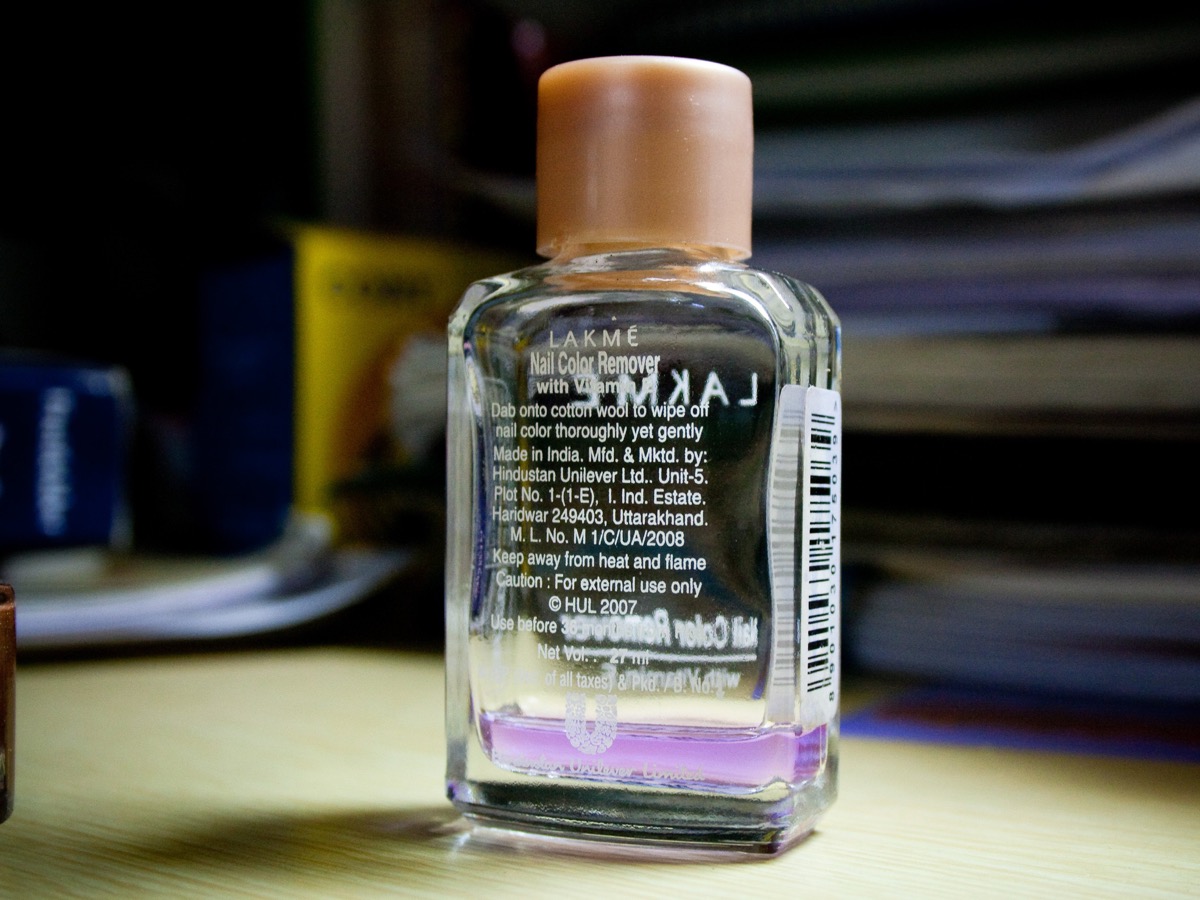
How to remove builder gel safely is the step where most natural-nail damage happens — not from the gel itself, but from impatient or aggressive removal technique. The damage is cumulative across multiple sets, so getting removal right matters more than getting application right for long-term nail health.
There are three legitimate ways to remove builder gel: the file-and-soak method (best for at-home), the file-only method (faster but more risk), and the salon e-file method (fastest, requires equipment and skill). This guide compares all three, then walks through the detailed step-by-step for the safest at-home option.
Kits With Removal Tools Included
Builder gel kits that ship with files for safe removal
The Amazon-stocked kits below include the 100/180 + 240 files needed for the file-and-soak method — no separate purchases required.

Cutex Gel Nail Polish Remover, Ultra-Powerful & Removes Glitter and Dark Colored Paints, Paraben Free, 6.76 Fl Oz
$2.79
Amazon price as of Oct 19, 2026

Pronto 100% Acetone Gel Nail Polish Remover - Gel Polish Remover for Nails | Acetone Nail Polish Remover For Nails for Removal of Glue, Gel, Acrylic & Dip | Gel Polish Remover, 8 Fl oz
$8.99
Amazon price as of Oct 19, 2026

Teenitor Nail Polish Gel Remover Tools Kit with Nail Clips Nail Remover Pads Cuticle Pusher Nail Brushes Nail File Grits 120/180 Buffer Block Grits 400/4000, 6 Pack Purple
$6.64
Amazon price as of Oct 19, 2026
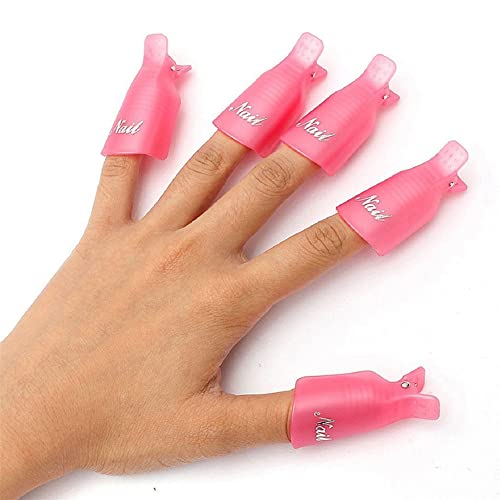
HiMo 10PC Plastic Acrylic Nail Art Soak Off Cap Clip UV Gel Polish Remover Wrap Tool (Pink)
$4.99
Amazon price as of Oct 19, 2026
Scroll →
Product prices and availability are accurate as of Oct 19, 2026 and are subject to change.
If your gel is a hard gel (not soak-off), the methods change — see the hard-gel section below.
The 3 Methods Compared
| Method | Time | Nail damage risk | Equipment | Best for |
|---|---|---|---|---|
| File-and-soak | 25-35 min | Low | File, acetone, cotton, foil | At-home DIY (recommended) |
| File-only | 15-20 min | High | File only | Emergencies; not regular use |
| Salon e-file | 10-15 min | Low (with skilled tech) | E-file machine | Salon professional removal |
For at-home removal, file-and-soak is the only method I recommend. File-only causes natural-nail thinning over multiple cycles. Salon e-file is fast but requires a trained tech — DIY e-files are not recommended.
Tools for At-Home File-and-Soak
- 100/180-grit file — for the bulk file-down
- 220-grit file or buffer — for the final smoothing
- 100% pure acetone — store-brand polish remover does NOT work; you need pure acetone
- Cotton balls or pads — cut down to nail size
- Aluminum foil — cut into 3" squares OR silicone "cap" wraps
- Wooden cuticle pusher — gentler than metal during removal
- Cuticle oil — for aftercare
- Optional: warm towel — to drape over fingers during soak (speeds removal)
Step-by-Step: File-and-Soak Method
This is the safest at-home method. Plan for 30 minutes start to finish.
Step 1 — File Down 80% of the Product (5-10 min)
Use the 100/180-grit file at a flat angle. The goal is to remove the bulk of the builder gel without touching the natural nail underneath.

How to know when to stop:
- The remaining gel layer is thin and slightly translucent
- You can see the shape of your natural nail through it
- Surface looks slightly cloudy/scratched (this is correct — you want the surface broken so acetone penetrates)
Common mistake: Filing all the way to the natural nail. You should leave a thin gel layer for the acetone to break down. Filing to bare nail is what causes thinning damage.
If you have a black streak or pencil mark on your nail before applying gel, you can sometimes use that as a depth gauge — file until you see it through the gel layer.
Step 2 — Prepare the Soak Wraps (2 min)
Cut cotton into squares roughly the size of each nail. Cut foil into 3" squares (one per finger).
If using silicone caps: have them ready to slide on.
Pour acetone into a small dappen dish or glass bowl. Do NOT pour it directly onto cotton over the foil — control the saturation deliberately.
Step 3 — Saturate Cotton and Wrap Each Nail (3-5 min)
For each finger:
- Soak cotton in acetone (saturated but not dripping)
- Place cotton on the nail surface
- Wrap foil tightly around the fingertip — air-tight is what makes this work
- Press the foil at the cuticle to seal
OR, with silicone caps:
- Place saturated cotton on nail
- Slide silicone cap over
Silicone caps are easier and reusable — worth the $5-$10 investment if you remove regularly.
Step 4 — Soak (15-20 min)
Set a timer. Drape a warm towel over your hands — heat speeds the acetone breakdown of the gel. 15 minutes minimum, 20 for thicker formulas or hard gels.
Do NOT peek before 15 minutes. Each peek lets acetone evaporate and slows the process.
Step 5 — Test and Push Off (5-10 min)
After the soak, remove one foil wrap as a test:
- If the gel pushes off easily with the wooden pusher: success, continue removing all
- If the gel resists: re-wrap and soak another 5-10 minutes
When pushing the gel off, work from the cuticle toward the free edge. The gel should come off in soft sheets or flakes — if you have to scrape hard, it is not soft enough yet. Re-wrap and wait.
Common mistake: Forcing gel that is not yet softened. The natural nail underneath is what you damage when you scrape resistant gel. Patience here is the difference between healthy nails and thin damaged nails.
Step 6 — Buff and Clean (2-3 min)
Once all gel is removed:
- Lightly buff the natural nail with the 220-grit buffer to smooth any residual gel
- Wipe with alcohol to clean
- Apply cuticle oil generously to the cuticle area and nail surface — acetone is dehydrating, the nail needs rehydration
Step 7 — Aftercare (Ongoing)
Apply cuticle oil 2-3 times a day for the next 24-48 hours. The natural nail and surrounding skin recovers within a few days if you do not over-buff and do not immediately reapply gel.
If you are reapplying builder gel right away, see the application guide for prep — start fresh on a clean nail.
Read next
How to Use Builder Gel: Salon-Tested 8-Step Application for Beginners (2026)
The exact 8-step builder gel routine I use on clients — prep, base, slip layer, apex placement, cure, refine, top coat, finish. With timing, common mistakes, and per-step troubleshooting.
Continue readingIf you are taking a break from gel, see the natural-nail recovery section in the builder gel on natural nails guide.
Hard Gel vs Soak-Off — The Methods Differ
The above method works for soak-off builder gel (most consumer kits, most BIAB-style products, most beginner formulas). If your builder gel is a hard gel (some pro formulas, some Light Elegance products), it will not soak off — acetone barely affects hard gel chemistry.
For hard gel removal, the only safe method is e-file by a trained tech. DIY hard-gel removal almost always damages the nail.
If you are not sure whether your gel is soak-off or hard:
- Self-leveling formulas: almost always soak-off
- Brush-on bottle (BIAB-style): always soak-off
- "Builder gel" labeled products: usually soak-off
- "Hard gel" or "structure gel" labeled products: often hard, check the label
When NOT to Remove at Home
Some situations call for a salon visit instead:
- Green discoloration on the nail — could indicate pseudomonas (bacterial infection between gel and nail). Do not remove at home; see a dermatologist.
- The gel will not soften after two soak cycles — likely a hard gel or extremely thick build. Salon e-file is needed.
- Pain, heat, or inflammation around the nail — possible reaction or infection. Stop, do not remove with chemicals, see a professional.
- You have an allergy to acetone — some people have skin sensitivity. Use an acetone-alternative remover or have it removed in salon.
- The nail underneath feels separated from the bed — this is a medical issue, not a gel issue.
Common Removal Mistakes
These are the mistakes I see at-home users make most often:
- Peeling the gel off — yanks layers of natural nail with it. The single most damaging removal habit.
- Skipping the file-down step — without breaking the surface, acetone cannot penetrate. You will be there for 45+ minutes and still struggling.
- Using polish remover instead of pure acetone — store-brand "100% acetone" is fine. "Polish remover" with conditioners is not.
- Aggressive filing on the natural nail — anything beyond a light buff after removal damages the plate.
- Skipping cuticle oil aftercare — leaves the nail dehydrated and brittle.
- Reapplying gel immediately on every cycle — the nail benefits from a 1-2 day break between sets.
Removal Time Per Nail (Realistic)
For a full set of 10 nails:
- Filing down 10 nails: 5-10 min total
- Wrapping 10 nails: 3-5 min
- Soak time (parallel): 15-20 min
- Pushing off + buffing 10 nails: 5-10 min
- Aftercare: 2-3 min
Total realistic time: 25-35 minutes for a full set, with 15-20 of those minutes being hands-off soak time.
If you are taking longer than 45 minutes, something is off — usually not enough file-down in step 1, or the gel is hard not soak-off.
Frequently Asked Questions
removing builder gel at home? File-and-soak is the safest method. File 80% of the gel down first, then soak in pure acetone wraps for 15-20 min, then push off softened gel gently. Total 25-35 min.
How to take off builder gel? Same as above. "Take off" and "remove" are the same process — file, soak, push, buff.
Can I remove builder gel without acetone? Soak-off builder gel needs acetone (or another strong solvent). Without it, your only option is full filing — which damages the natural nail. There is no good way to chemically remove soak-off gel without acetone.
How long does builder gel take to remove? 25-35 minutes for the file-and-soak method on a full set. The acetone soak alone is 15-20 min.
Why does removal take so long? Three possible reasons: (1) you did not file down enough before the soak, (2) acetone evaporated from the wraps because the foil was not sealed tight, or (3) it is a hard gel, not a soak-off gel.
Can I peel builder gel off? No. Peeling tears layers of the natural nail off with the gel. The single most damaging thing you can do to your nails. Always file and soak.
How to remove builder gel without a drill? The file-and-soak method above does not require a drill — only a hand file. For the dedicated guide, see removing builder gel without a drill.
Read next
How to Remove Builder Gel Without a Drill: The Complete File-and-Soak Method (2026)
You don't need a nail drill to remove builder gel safely at home. The file-and-soak method works with a simple hand file — and it's actually gentler on your natural nails than e-file removal in unskilled hands.
Continue readingSoak off builder gel — does that work for all formulas? Only soak-off formulas (most consumer builder gels, BIAB, beginner kits). Hard gels do not soak off — they require e-file removal.
How often should I remove and reapply builder gel? Every 2-4 weeks. Every 3 weeks is a common cadence. Going much longer means significant regrowth and lift potential. Going shorter is unnecessary if the set is holding.
Best way to remove builder gel? File-and-soak with pure acetone, foil wraps or silicone caps, 15-20 min soak time, gentle wooden pusher. Same method professional nail techs use.
How to remove builder gel nails at home? Same method. The "nails" version is the same process — file, soak, push, buff, oil. There is no shortcut.
A Note on Safe Removal Practices
The American Academy of Dermatology generally recommends gentle acetone-soak methods over aggressive filing for at-home gel removal. Patience during the soak protects natural-nail health far more than removal speed.
Final Notes from Sara
Removal is the most important step for long-term nail health. Get it right and you can do builder gel sets for years without thinning your nails. Get it wrong and you will damage your plate within 6-12 months of repeated cycles.
The file-and-soak method is slow on purpose. The slowness is what protects the nail. Speed up only by improving your file-down precision (step 1), not by skipping the soak time.
For the application steps, see how to use builder gel. For the foundation that ties prep, application, and removal together, see the Builder Gel Nails pillar.
If you want a removal method that does not even require a hand file (purely soak-based), see removing builder gel without a drill.
Last updated May 2026. This article uses AI assistance for research and structure; all techniques and process steps come from my own client work and at-home experience.