Editor Picks — Amazon
Top picks for builder gel on natural nails
Curated from current Amazon ratings and review counts.
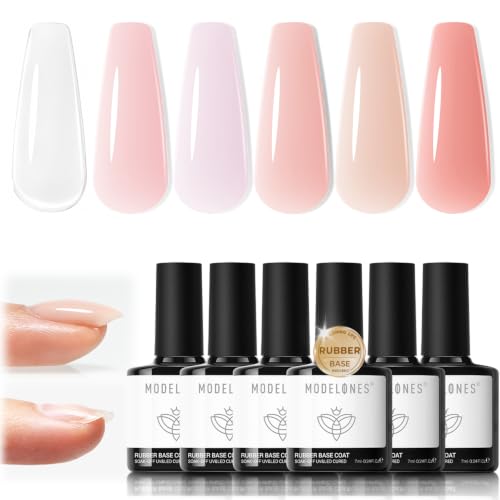
modelones Rubber Base Gel Nail Polish, 6 Color Builder Clear Nude Milky Baby Pink Jelly Brown 6 in One Strengthener Apex Building Extension for Weak Nails Long Last U V French Manicure Gift for Women
$8.99
Amazon price as of Oct 19, 2026

Makartt Hema-Free Poly Nail Gel Natural Pink 50ML Gel Builder for Nail Extension Nail Strengthener Beauty Gift 3D Gels Molder Nail Art Easy DIY at Home Salon
$6.99
Amazon price as of Oct 19, 2026

modelones Builder Nail Gel, 7-in-One Clear Builder for Nails, LED Lamp Cured Color Rubber Base Gel Polish Coat Strengthener Thickening Extension Rhinestone Glue in a Bottle for DIY Home Salon Gifts
$8.49
Amazon price as of Oct 19, 2026
Scroll →
Product prices and availability are accurate as of Oct 19, 2026 and are subject to change.
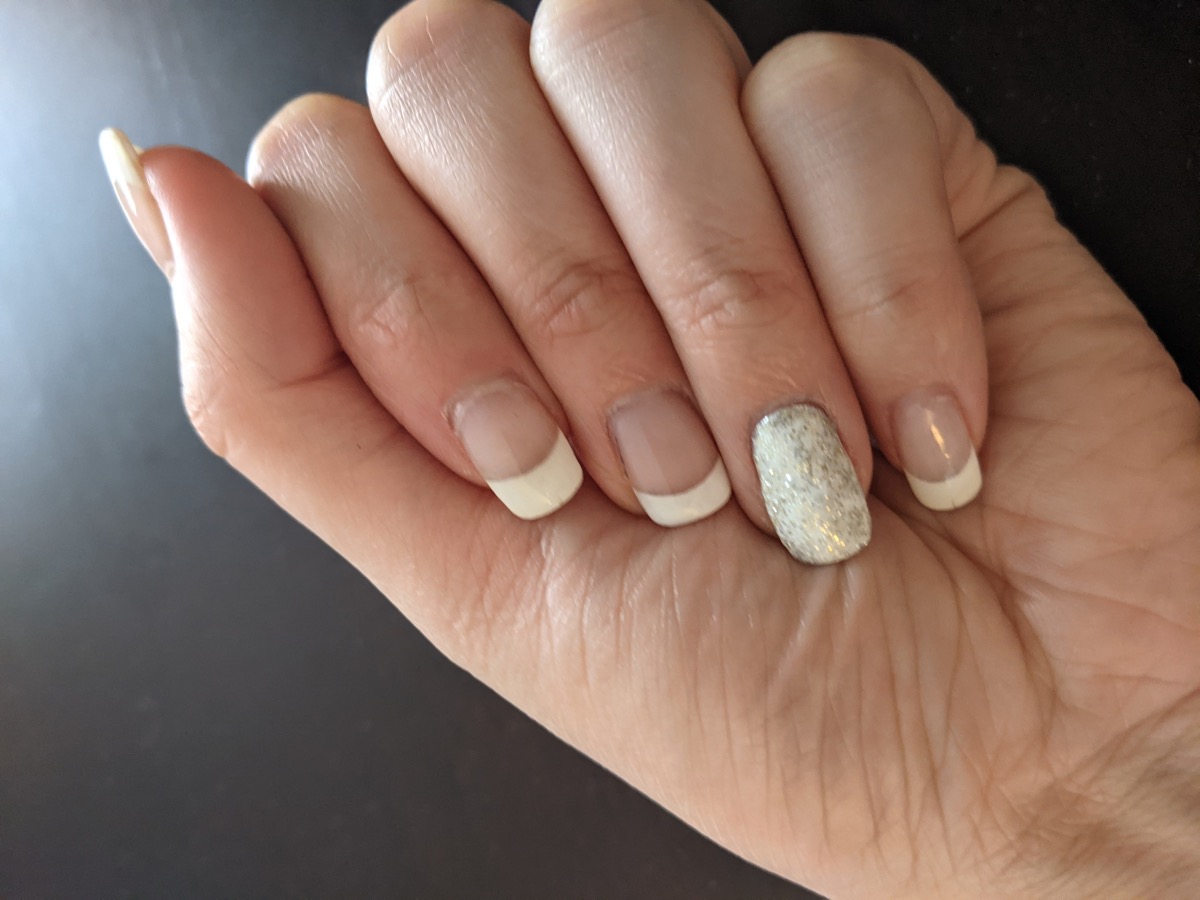
Builder gel on natural nails is the most under-rated use of the product. Most beginners think builder gel = extensions. In reality, builder gel as a thin overlay on natural nails is the single best option for protecting weak, peeling, or recovering nails — and it is the easiest builder gel application to learn.
Builder gel on natural nails is the gentlest enhancement there is — when it is applied thin and removed properly. This guide covers exactly that use case: short to natural-length builder gel as a strengthening overlay. If you want length added, see builder gel vs Gel-X for tip systems instead.
Who Builder Gel Overlays Help Most
Builder gel as a natural-nail overlay is the right call for:
- Peeling nails — the gel locks the layers together so they cannot separate
- Splitting nails — a structural overlay prevents existing splits from running further
- Post-acrylic recovery — when nails are thin from previous enhancement systems
- Naturally weak nails — soft, bendy nails that struggle to grow past the free edge
- Short fingernail growers — anyone who wants a polished look at natural length
- Frequent-impact lifestyles — typists, nurses, anyone whose nails take constant micro-impacts
Builder gel is NOT the right call for:
- Severely damaged nails with active separation from the bed
- Active fungal or bacterial infections
- People who pull/pick at their cuticles compulsively (the lift potential is high)
- Anyone who has reacted to a gel manicure before — see HEMA-free options or skip gels entirely
The 3 Conditions Builder Gel Specifically Helps
Condition 1 — Peeling and Splitting at the Free Edge
If your nails grow out and then immediately start peeling or splitting at the free edge, the issue is usually thin natural-nail layers separating. Builder gel as a thin cap (0.3-0.5mm) over the free edge prevents the splitting from initiating.
Application focus: Strong free-edge cap, less concern about apex (no length to support).
Condition 2 — Post-Removal Recovery (After Acrylic or Hard Gel)
If you just removed acrylic or hard gel and your natural nails feel papery and weak, builder gel is the gentlest reinforcement option. The flexibility of soft soak-off builder gel matches the natural nail's behavior better than rigid systems.
Application focus: Very thin layer (almost translucent), no apex build, soak-off removal mandatory.
Condition 3 — Daily Impact Wear
If you work with your hands constantly — keyboards, tools, kitchen work — natural nails take micro-impacts every minute. Builder gel as an overlay distributes those impacts across the gel layer instead of concentrating them on the natural nail.
Application focus: Slightly more apex than recovery overlays, since you actually want some structural support.
Application Adjustments for Natural Nails
The 8-step builder gel routine in the how to use builder gel guide applies, with these specific adjustments for natural-nail overlays:
Prep — Even More Gentle
Natural nails are already thin — over-buffing during prep is the #1 way to thin them further.
- Buff with 240-grit minimum (lighter than the 180-grit I'd use for extension prep)
- Only 2-3 light strokes per nail, just to remove shine
- Skip primer unless you have history of lifting on natural nails specifically
- Do NOT use an e-file on natural nails for prep
Slip Layer — Almost Translucent
The slip layer should be barely visible. On natural nails, you are not building structure — you are bonding a protective film.
Apex — Modest and Centered
For natural-nail overlays, the apex is much less prominent than for extensions:
- For pure protection (no length): apex is centered, very modest, more of a slight crown than a peak
- For impact protection: small apex 1/3 back from free edge, but still subtle
- Avoid prominent apex unless you are adding length — it looks artificial on natural nails
Length — Stay Short to Medium
Building long extensions on weak natural nails is asking for breakage. The natural nail underneath cannot support long gel — both will fail.
For natural-nail overlays:
- Keep length within 2mm of the free edge
- If you want length, switch to a tip system (Gel-X) rather than building gel extensions on weak nails
Cure — Same as Always
Cure protocols don't change for natural-nail overlays. Still 60s LED for clear, 90s for thumbs.
Best Builder Gels for Natural-Nail Overlays
Some builder gels work better than others on natural nails specifically. The pattern: medium viscosity, self-leveling, thin film capability.
Best picks:
- The GelBottle BIAB™ — designed for thin overlays, bottle applicator makes thin layers easy
- Modelones Builder Gel — forgiving and budget-friendly for practice
- Gelish Structure Brush-On — pro-grade with thin-film capability
Avoid for natural-nail overlays:
- Pro-firm formulas (Light Elegance, Kokoist) — overkill, rigid feel on flexible natural nails
- Thick polygels — too much bulk for an overlay use case
The GelBottle BIAB™ Builder In A Bottle
$50–$120
Also on Amazon
Beetles 3-Piece 15ml Builder Nail Gel Set
$11.99★ 4.6
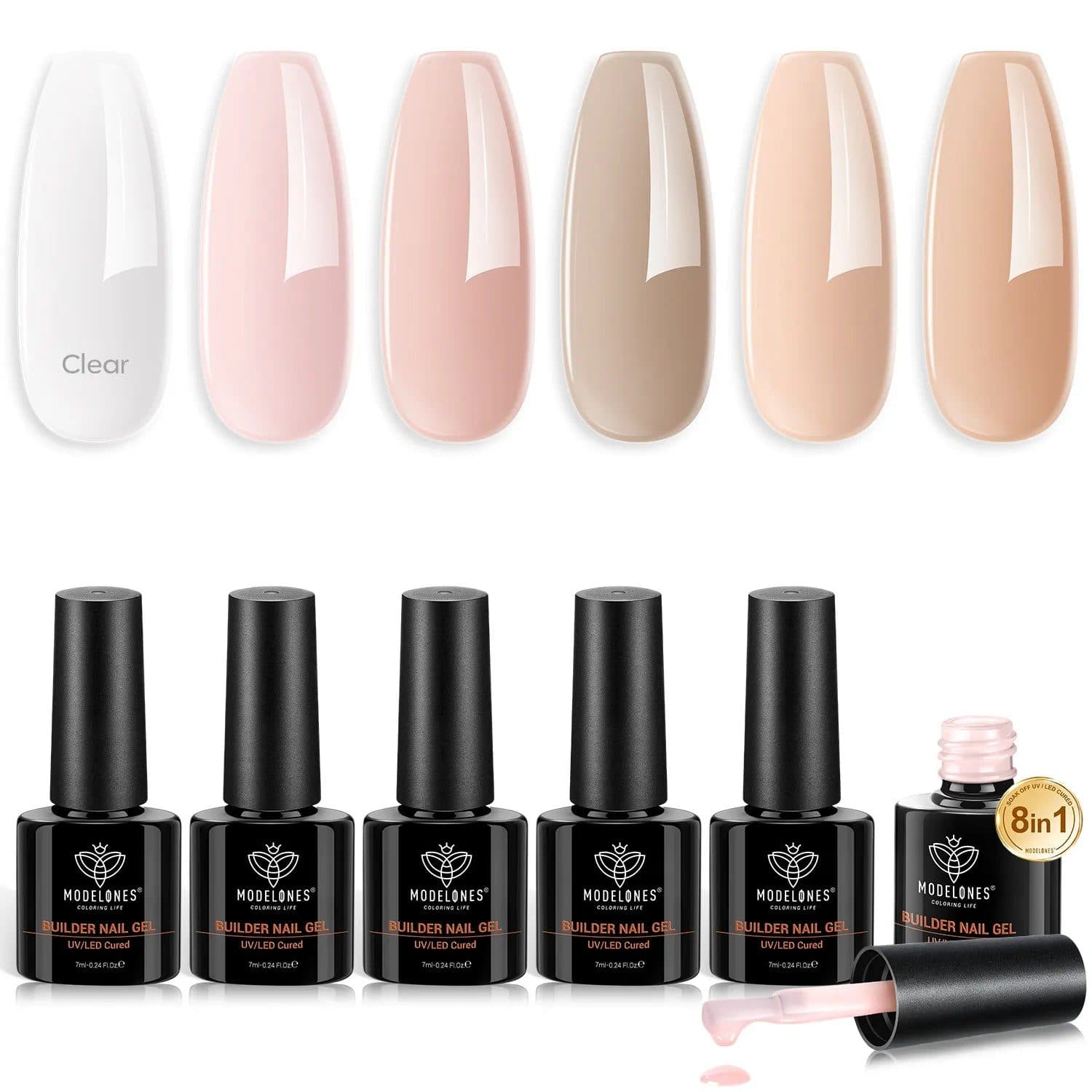
Modelones Builder Nail Gel Kit
Under $25
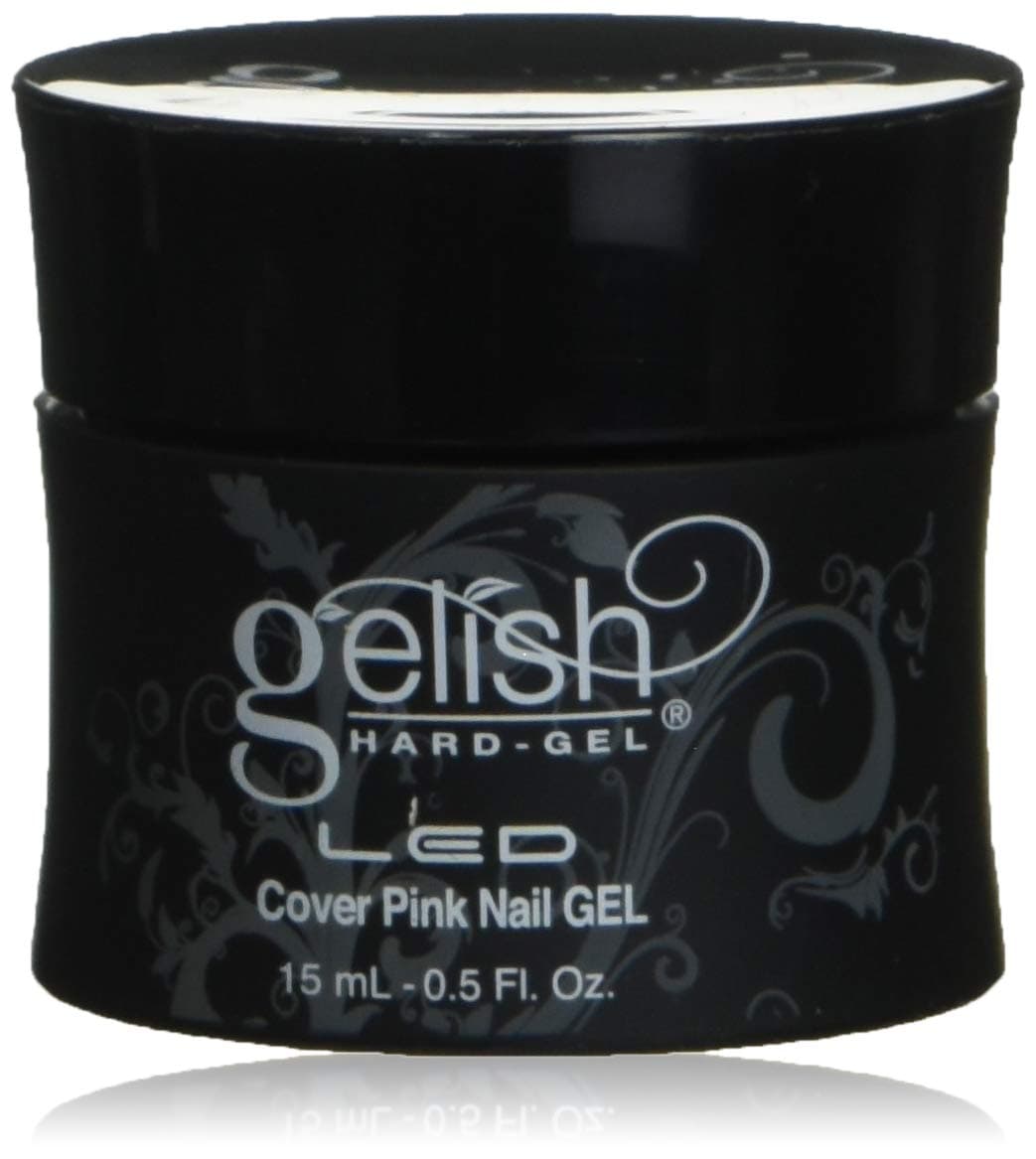
Gelish Structure Brush-On Builder
$25–$50
Also on Amazon
Beetles 3-Piece 15ml Builder Nail Gel Set
$11.99★ 4.6
For broader product guidance, see best builder gel products.
The Maintenance Schedule for Strengthening
Builder gel actually strengthens natural nails over time when you maintain a healthy cycle:
Weeks 1-2: Wear normally. Cuticle oil daily, especially before bed.
Weeks 2-3: Check for early lift at the cuticle. Optional top coat refresh at week 2 to extend wear.
Week 3-4: Schedule a fill (replace the regrowth area, refresh apex) OR full removal.
Between sets: A 1-2 day break with cuticle oil and no gel is ideal for nail-bed recovery. Some users skip this entirely with no issues; sensitive nails benefit.
Every 3-4 sets: Take a longer break — 5-7 days bare nails with consistent cuticle oil. This lets the natural nail fully rehydrate.
Recovery Between Sets — When to Take a Break
Sometimes the right move is to stop applying gel for a while. Take a break when:
- Your nails feel paper-thin or peel when you tap them lightly
- You see white spots on the nail surface (could indicate trauma)
- The cuticle area is repeatedly red or irritated
- You have done 5+ consecutive sets in a row without a break
- Your nail-bed pinkness has shifted to dull or grayish
The recovery routine:
- Remove the current set following the safe removal guide
- Apply cuticle oil 3x daily for 5-7 days
- Use a hydrating nail strengthener (NOT a "treatment with formaldehyde" — those make nails worse)
- Avoid acetone exposure during the break
- Reassess after 1 week — if nails look healthy and pink, ready for next set
Read next
How to Remove Builder Gel at Home Safely: 3 Methods Compared (2026)
Three methods to remove builder gel — file-and-soak, file-only, and salon e-file — compared on time, safety, and nail-health impact. Plus a detailed step-by-step for the safest at-home method.
Continue readingWhen NOT to Apply Builder Gel to Natural Nails
Some specific situations where you should not proceed:
Active infection signs:
- Green, black, or yellow discoloration on the nail
- Pain, swelling, or heat around the nail
- Visible separation between the nail and the nail bed
- Pus or oozing from the cuticle area
These need a dermatologist or doctor, not a gel application.
Acrylate allergy history: If you have ever had a reaction to gel polish or builder gel — redness, itching, swelling around the cuticles within 48 hours of application — do not apply more standard builder gel. Try HEMA-free formulas only, or stop gels entirely. The American Academy of Dermatology covers this on their acrylate allergy page.
Recent severe damage: If you just lost a nail to trauma or removed acrylic that left the nail bed bleeding or raw, wait until the nail bed has visibly healed. Applying gel over an open wound is asking for a chemical burn.
Application Step Summary for Natural-Nail Overlays
- Gentle prep (240-grit buff, alcohol wipe, optional dehydrator)
- Thin base coat, cure
- Translucent slip layer of builder gel (no cure)
- Modest apex placement, flash cure 10s
- Full cure 60s, thumbs 90s
- Light refine with 220-grit
- Top coat with free-edge cap, cure
- Wipe inhibition layer, cuticle oil
Total time: 45-60 minutes for a beginner DIY (faster than extension sets because no length-building involved).
For the full step-by-step with images, see how to use builder gel.
Read next
How to Use Builder Gel: Salon-Tested 8-Step Application for Beginners (2026)
The exact 8-step builder gel routine I use on clients — prep, base, slip layer, apex placement, cure, refine, top coat, finish. With timing, common mistakes, and per-step troubleshooting.
Continue readingA 12-Week Strengthening Timeline
Clients ask how long it takes to "fix" weak nails with builder gel, and the honest answer is that it is a cycle, not a fix. This is the timeline I put a peeling-nail client on, and the outcomes I tell them to expect.
- Weeks 0–2: first overlay. Thin structural layer, short length, no extension. The nail stops peeling immediately because the free edge is sealed. Expect nothing to look different yet; the win is that nothing breaks.
- Week 2–3: fill. File the regrowth gap smooth, fresh builder over the new growth. This is the first appointment where clients notice the nail has grown past the fingertip without snapping.
- Weeks 5–6: remove and rest. Full soak-off, then five to seven days bare with cuticle oil twice a day. The nail will feel thinner than you remember — that is the absence of gel, not damage — and this rest is where the plate rehydrates.
- Weeks 7–12: second cycle. Overlay, fill, remove. By the end of this cycle most clients have a free edge two to four millimeters longer than they have ever kept, and the peeling has usually stopped even during the bare week.
The number that matters is the bare week. Clients who skip it and go straight from removal to a new overlay get results for a few months and then plateau with a plate that never fully recovers. Clients who take it can run this cycle indefinitely.
Frequently Asked Questions
Can you put builder gel on natural nails? Yes — natural-nail overlays are one of the most common builder gel uses. Apply as a thin protective layer rather than for length building.
Can you use builder gel on natural nails? Same as above. The application differs slightly from extensions: thinner layers, more modest apex, shorter length.
Is builder gel good for weak nails? Yes, when applied as a thin overlay. Builder gel locks peeling layers together and protects against impact damage. Most users see noticeable strengthening over 2-3 sets.
How thick should builder gel be on natural nails? About 0.3-0.5mm at the apex. Much thinner than extension applications. The goal is protection, not bulk.
Best builder gel for natural nails? The GelBottle BIAB™ for pro-grade thin overlays, Modelones Builder Gel for budget DIY, Gelish Structure Brush-On for mid-tier. All three apply in thin films easily.
Builder gel overlay on natural nails — how long does it last? 2-3 weeks typical wear. Some users get 4 weeks with a top-coat refresh at week 2. Wear depends more on prep than on the gel itself.
Clear builder gel on natural nails — does it look natural? Yes when applied thin. Clear or slightly tinted (milky, sheer pink) builders look indistinguishable from healthy natural nails when applied correctly.
Can builder gel make weak nails worse? Only with bad removal. The gel itself does not weaken nails. Aggressive filing, peeling, or repeated cycles without breaks can thin the natural nail underneath.
Builder gel natural nails thin overlay — is that the same as BIAB? BIAB™ (Builder In A Bottle) by The GelBottle is one specific brand of brush-on builder gel optimized for thin overlays. So yes — BIAB is essentially the use case "thin overlay" in product form. Other brush-on builders work the same way.
Nail builder gel for natural nails — different product than regular builder gel? No, same category. Some brands market specific lines as "for natural nails" but the chemistry is the same. Look for self-leveling, medium viscosity, soak-off variants.
Final Notes from Sara
Builder gel on natural nails is the easiest way to protect, strengthen, and grow weak or peeling nails. Most clients see real improvement after 2-3 sets — nails grow longer because they stop breaking, and they stop peeling because the gel locks the layers together.
Treat removal carefully and take occasional breaks. With those two habits, you can do builder gel overlays indefinitely without long-term damage.
For the application technique, see how to use builder gel. For the foundational concepts, see the Builder Gel Nails pillar. For removal, see how to remove builder gel.
If you want length added on top of natural-nail overlays, see builder gel vs Gel-X for the tip-system option.
Last updated September 2026. This article uses AI assistance for research and structure; all techniques and observations come from my own client work with natural-nail overlays.