Polygel vs Gel-X is the comparison I get asked about more than any other at my table, usually by someone who has watched a dozen conflicting TikToks and still can't decide which one to buy. I've been a licensed nail tech for over eight years and I use both systems on real clients every single week, so this isn't a spec-sheet guess — it's what actually happens when the LED light clicks off and someone has to live with the set for three weeks. The short version: neither one universally "wins." Polygel wins for custom shape and lightweight feel, Gel-X wins for speed and predictable length, and the right pick depends entirely on your hands, your patience, and your goal.
Editor Picks — Amazon
What I reach for across polygel, Gel-X, and builder systems
Current Amazon-stocked picks by real ratings and review counts.

Beetles Gel Nail Kit Flat-X, Square Medium, 320pcs 16 Sizes Nail Tips, with 15g Nail Glue Gel Hands-Free, 7.5ml Base Gel & Top Coat, Mini Lamp, for Acrylic Press On Nail, Extension DIY Set at Home
$19.94
Amazon price as of Oct 19, 2026

Makartt Hema-Free Poly Nail Gel Natural Pink 50ML Gel Builder for Nail Extension Nail Strengthener Beauty Gift 3D Gels Molder Nail Art Easy DIY at Home Salon
$6.99
Amazon price as of Oct 19, 2026
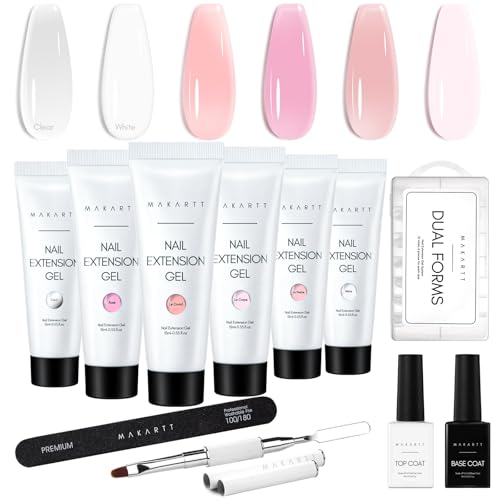
Makartt
$19.98
Amazon price as of Oct 19, 2026

JEWHITENY
$17.99
Amazon price as of Oct 19, 2026
Scroll →
Product prices and availability are accurate as of Oct 19, 2026 and are subject to change.
What Polygel and Gel-X Actually Are
People lump these together because both cure under LED and both live in the "not-quite-acrylic, not-quite-regular-gel" middle ground. But they are built on completely different logic.
Polygel is a putty-like hybrid — think of it as acrylic powder and gel married into one tube. You scoop a bead, drop it onto the nail or into a dual form, and slick it into shape with a brush dipped in slip solution. Nothing sets until you cure it, so you get unlimited working time to sculpt. It's a sculpting medium.
Gel-X is a pre-formed soft-gel tip system. Aprés originated it, and the whole idea is that the nail shape and length already exist inside a manufactured tip. You size a tip to each finger, glue it on with an adhesive gel, cure, and refine. There is no sculpting — you are fitting and bonding.
That single difference (sculpt vs. fit) drives every other trade-off below.
Application: Sculpting Freedom vs. Speed
This is where the two systems feel most different in the hand.
With polygel, I'm building. I place a bead near the cuticle, use slip solution so the brush glides instead of dragging, and push the product toward the free edge until the apex and sidewalls look right. It's forgiving because it doesn't self-level and doesn't run — but it demands brush control. A beginner's first polygel nail almost always comes out lumpy, and that's normal.
With Gel-X, I'm fitting. The bulk of my time goes to sizing each tip correctly (a tip that's even half a size too wide will lift at the sidewall within a week) and prepping the tip's inner surface. Once the tip is bonded and cured, shaping is just filing. A well-practiced Gel-X full set is genuinely faster than polygel because the shape arrives pre-made.
If you love the craft of building a nail, polygel is satisfying. If you want the shortest path to a uniform set, Gel-X is faster once your sizing is dialed in.
Strength and Durability Head to Head
Both are stronger than a standard gel polish overlay, and both are in the soft-gel family — meaning they flex a little rather than shattering like old-school acrylic.
Polygel tends to feel thicker and reads as more rigid, especially if you build a proper apex. For someone hard on their hands, a correctly-structured polygel nail resists snapping well. The catch: strength lives entirely in your structure. Bad apex placement means breakage no matter how good the product is — which is exactly why I point beginners toward the builder gel apex placement fundamentals before they attempt either system.
Gel-X derives strength from the tip plus the bond. When sizing and prep are correct, Gel-X wears beautifully and feels lighter and thinner than polygel. When sizing is off, the failure point is predictable: sidewall lift and pop-offs. So Gel-X durability is less about your sculpting and more about your prep discipline.
Removal: The Part Nobody Films
Here's where I have to be blunt, because the pretty-application videos never show removal.
Gel-X is the easier soak-off. Aprés tips are engineered to release in acetone. A standard 15–20 minute soak with foils, and the tips lift cleanly. That's a real advantage for nail health if you're changing sets often.
Polygel is more stubborn. It's thicker and denser, so it either needs a longer acetone soak (often 25–35 minutes) or e-file buffing to thin it down first. Done impatiently — scraping before it's soft — is how people damage their natural nail plate. Neither system is "bad for your nails" when removed correctly; both are damaging when you pry. But if easy removal ranks high for you, Gel-X takes this round.

Beetles 3-Piece 15ml Builder Nail Gel Set
$11.99
Amazon price as of Oct 19, 2026
Cost: Upfront and Over a Year
Polygel usually wins on raw cost per set. A polygel kit with a few tubes, slip solution, and dual forms runs affordably, and each tube lasts many sets. Your cost-per-nail is genuinely low once you own the kit.
Gel-X costs more to feed. Tip boxes get consumed, and Aprés-brand tips plus their adhesive gel aren't cheap. Generic soft-gel tips exist and cost less, but fit consistency drops. Over a year of frequent sets, Gel-X is the pricier habit.
| Factor | Polygel | Gel-X |
|---|---|---|
| Application | Sculpt a bead into shape with slip solution and a brush | Size, glue, and cure a pre-formed tip; refine by filing |
| Strength | Thick, rigid; strength depends on your apex structure | Light, thin; strength depends on sizing and bond prep |
| Removal | Slower — 25–35 min soak or e-file buff first | Easier — 15–20 min clean acetone soak-off |
| Cost | Lower per set; one kit lasts many applications | Higher ongoing; tips and adhesive get consumed |
| Beginner-friendliness | Harder — brush control and shaping curve | Easier for a clean look, but sizing must be precise |
| Wear time | 3–4 weeks with a solid apex | 2–3 weeks typical; up to 4 with flawless prep |
Beginner-Friendliness: The Honest Verdict
I get asked "is polygel better than Gel-X for a total beginner?" constantly, and my answer surprises people.
For a good-looking first attempt, Gel-X is friendlier — the tip hands you the shape, so even a shaky beginner can land a passable set. The failure mode is invisible until later: if your sizing or prep is sloppy, tips pop off.
For learning nails as a skill, polygel teaches you more. You develop brush control, apex awareness, and structural thinking that transfer to every other system. It's harder up front and your first few sets will be lumpy, but you come out a better DIY tech.
So: Gel-X for a fast, pretty result; polygel if you actually want to learn to build a nail.
Where Builder Gel Fits Between Them
Neither of these is always the right answer, and I'd be dishonest not to mention the third option people forget: builder gel.
Builder gel is the middle path — you sculpt like polygel but the product is thinner, self-leveling, and gentler on natural nails, making it my default for overlays and mild extensions. It's less bulky than polygel and doesn't require the sizing precision of Gel-X. If you're strengthening natural nails rather than chasing dramatic length, builder gel often beats both. I break the trade-offs down fully in builder gel vs polygel and builder gel vs Gel-X, and the complete three-way in polygel vs Gel-X vs builder gel. For the full technique library, the Builder Gel Atlas is where I keep everything.
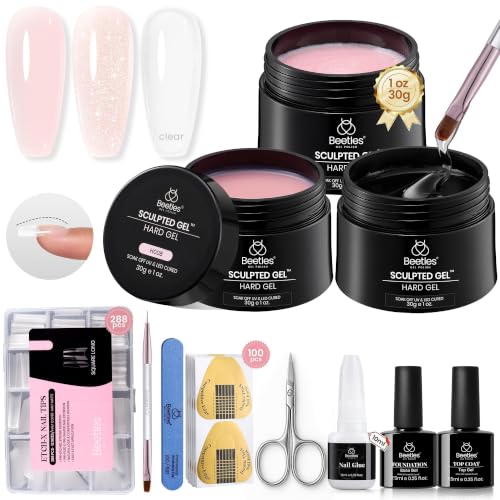
Beetles Hard Gel for Nails Kit (3 Colors)
$29.99
Amazon price as of Oct 19, 2026
A Real 2026 Client Story
On March 9, 2026, a bride-to-be came in six days before her wedding wanting "something that will not break no matter what." Her plan was long stiletto Gel-X. I sized her tips and did a mockup on two fingers — and immediately saw the problem. Her natural nails were very flat with almost no C-curve, so the pre-formed Gel-X tips floated at the sidewalls and would have lifted mid-reception.
I switched her to polygel in dual forms instead. Because polygel is sculpted, I could build the exact C-curve her flat nails lacked and lay a strong apex for the stiletto length. It took me about 25 minutes longer than a Gel-X set would have, but she made it through the wedding, the honeymoon, and came back three weeks later with all ten intact. That's the whole lesson in one appointment: the "best" system is the one that fits the nail in front of you, not the one that trends.
Read next
Polygel vs Gel-X vs Builder Gel in 2026: The Full 3-Way Comparison
Polygel vs Gel-X vs builder gel — three different systems people compare every week. Here's the full 3-way breakdown by application speed, durability, cost, removal, and skill curve, with the situation each one wins.
Continue readingSo here's my bottom line. If you want the fastest route to a clean, uniform set and you're willing to be meticulous about tip sizing, buy Gel-X. If you want custom shape, lower cost per set, and you're willing to climb a real skill curve, buy polygel. And if what you actually want is stronger, healthier natural nails with modest length, skip both and start with builder gel.
One more health note, because I say it to every client: whichever system you pick, some people develop a reaction to uncured gel resins over time. If you ever notice itching, redness, or lifting around the cuticle, that can be early contact allergy — the American Academy of Dermatology's contact dermatitis overview explains the warning signs, and it's worth stopping to check rather than pushing through.
Frequently Asked Questions
Is polygel better than Gel-X overall?
Neither is universally better. Polygel wins for custom shape, lower cost, and lightweight-but-strong sculpted nails. Gel-X wins for speed, easier removal, and a beginner-friendly clean look. The better system is the one matched to your nail shape and goal.
What is the main difference between polygel and Gel-X?
Polygel is a putty you sculpt into shape on the nail; Gel-X is a pre-formed soft-gel tip you size, glue, and cure. Sculpting versus fitting is the core difference that drives every other trade-off.
Which lasts longer, polygel or Gel-X?
With good structure, polygel typically lasts 3–4 weeks and Gel-X 2–3 weeks (up to 4 with flawless prep). Polygel's wear depends on your apex; Gel-X's depends on sizing and bond quality.
Is polygel or Gel-X easier for beginners?
Gel-X gives a better-looking first attempt because the tip provides the shape. Polygel is harder at first but teaches real sculpting skill. Pick Gel-X for a fast result, polygel to actually learn.
Which is cheaper, polygel or Gel-X?
Polygel is cheaper over time. One kit lasts many sets, while Gel-X consumes tips and adhesive gel every application, making it the pricier ongoing habit.
Is polygel or Gel-X worse for your natural nails?
Neither is inherently damaging when removed correctly. Damage comes from prying or scraping. Gel-X soaks off more easily, so impatient removers are less likely to harm the nail — but proper removal keeps both safe.
Can I use builder gel instead of polygel or Gel-X?
Often, yes. Builder gel is thinner, self-leveling, and gentler than polygel, and it needs no tip sizing like Gel-X. For strengthening natural nails or modest extensions, builder gel frequently beats both.
Do polygel and Gel-X both need a UV or LED lamp?
Yes. Both are photo-cured systems that harden only under a UV or LED lamp. Neither air-dries, so a proper lamp is non-negotiable for either one.
Why do my Gel-X tips keep popping off?
Almost always sizing or prep. A tip even slightly too wide lifts at the sidewall, and skipped dehydration or primer weakens the bond. Correct sizing plus thorough prep fixes most pop-offs.
Which should I choose for very long or dramatic nails?
For extreme length, sculpted polygel usually holds up better because you can build a custom apex for support. Gel-X can do length too, but long tips stress the bond more, so prep has to be perfect.
Which is better for flat nails with almost no C-curve?
Polygel. A pre-formed Gel-X tip has its curve built in, and on a very flat natural nail it floats at the sidewalls, which is exactly where lifting starts. Polygel is sculpted, so the curve the natural nail lacks can be built into the product itself. That is why the bride in the client story above went from a Gel-X plan to polygel in dual forms.
Do I need an e-file to remove polygel or Gel-X?
Not for Gel-X: the tips are made to release in acetone, and a standard foil soak usually lifts them cleanly. Polygel is denser, so you either soak longer or thin the bulk with a file first. A hand file works if you are patient. What matters is that you never scrape or pry product that has not softened. The no-drill method is laid out step by step in how to remove builder gel without a drill, and the same filing-then-soaking logic applies to polygel.
Last updated October 2026. This article uses AI assistance for research and structure; the comparisons here come from hands-on work with both systems.