The Confusing Truth Up Front
Editor Picks — Amazon
Top picks for builder gel vs hard gel
Curated from current Amazon ratings and review counts.

modelones Builder Nail Gel, 7-in-One Clear Builder for Nails, LED Lamp Cured Color Rubber Base Gel Polish Coat Strengthener Thickening Extension Rhinestone Glue in a Bottle for DIY Home Salon Gifts
$8.49
Amazon price as of Sep 19, 2026

IBD Hard Gel LED/UV Builder Gel – Clear, Nail Extension & Overlay Gels, Strong Acrylic Finish, Professional Quality, 2 oz, 1 Pack
$17.39
Amazon price as of Sep 19, 2026

Beetles Builder Gel for Nails,0.51 oz 8 in 1 Strengthening Nails Enhancement Building Apex for Beginners & DIY Salon Manicure,Clear Builder Nail Gel,LED & UV Lamp Needed,Gifts for Women
$11.99
Amazon price as of Sep 19, 2026

Beetles Solid Builder Gel for Nails,4 Colors Clear Pink White 3D Sculpting Gel Non-Sticky Hand Carving Nail Glue for 3D Nail Art with 3D Mold Chrome Powder Tools Salon DIY at Home,UV&LED Needed
$24.49
Amazon price as of Sep 19, 2026
Scroll →
Product prices and availability are accurate as of Sep 19, 2026 and are subject to change.
The builder gel vs hard gel question is misleading on its face — these are not different categories, they're a spectrum. "Hard gel" is the firmer, file-off end of the builder gel family. "Builder gel" in casual usage usually refers to the softer, soak-off end of the same family.
Builder gel vs hard gel is a comparison inside one chemistry family. Both build structure on the nail. Both cure under UV/LED. Both create an apex. The differences are in firmness, removal method, and use case, not in fundamental chemistry.
This guide maps the differences across every meaningful property, then says when each one actually wins.
For broader builder gel context, see the Builder Gel Atlas. For the soft-gel deep-dive, see soft builder gel nails.
The Property Matrix
| Property | Builder Gel (Soft / Soak-Off) | Hard Gel (File-Off) |
|---|---|---|
| Removal | Acetone soak in 15-25 min | File-only, no soak |
| Firmness when cured | Slightly flexible | Rigid |
| Structural strength at long lengths | Good (with firm formula) / Limited (with soft) | Excellent |
| Beginner-friendly | Yes | Less so |
| Self-leveling | Often yes | Often no (firm by design) |
| Cure time | 60s LED standard, 20-30s for pro firm | 60s LED |
| Lifts when over-extended | Cracks at free edge | Holds longer |
| Soak time at removal | 15-25 min | N/A (file off) |
| Removal damage potential (DIY) | Low if patient | High (e-file required) |
| Common use | Natural-nail overlays, BIAB, beginner kits | Sculpted long extensions, salon pro art |
| Examples | Modelones, Beetles, BIAB, Olive & June | Light Elegance Pro line, some Kokoist hardgels |
| Pro DIY suitability | High | Low |
| Per-set cost (DIY) | $1-2 | $1-3 |
How Builder Gel and Hard Gel Differ in Cure Chemistry
Both systems use methacrylate cross-linking. The difference is in:
Cross-link density — hard gels cross-link more densely, creating a more rigid polymer network. Soak-off builders have looser networks that allow acetone penetration.
Monomer composition — hard gels often contain higher proportions of urethane or polyfunctional methacrylates (which contribute to harder cure). Soak-off builders use formulations that allow swelling and dissolution.
Photoinitiator concentration — both use camphorquinone or similar UV/LED-activated initiators. Concentration tuning affects cure speed and depth.
For users: the difference is felt in three places — how the gel feels when applied, how it feels worn, and how it comes off. Wear time is similar (both 18-25 days). Application difficulty is different (hard is less self-leveling). Removal is dramatically different.
When Builder Gel Wins
Win case 1 — Natural-Nail Overlays
Soft soak-off builder gel is the ideal choice for natural-nail strengthening overlays. The slight flexibility matches natural-nail flex behavior, the easy removal protects the nail bed across multi-set cycles, and the application difficulty is beginner-accessible.
For full natural-nail context, see builder gel on natural nails.
Read next
Builder Gel on Natural Nails: The Strengthen-and-Protect Guide (2026)
Builder gel is the gentlest enhancement option for weak, peeling, or recovering natural nails. Here's exactly when to use it, how to apply it differently than for extensions, and the recovery schedule that prevents long-term thinning.
Continue readingWin case 2 — Beginner DIY Use
The soak-off removal is what makes DIY at home safe. Beginners can remove their own sets with hand files + acetone — no e-file needed. Hard gel removal requires an electric file in trained hands; DIY hard gel removal almost always damages the natural nail.
If you're learning at home, soft builder gel is the only realistic choice.
Win case 3 — Short to Medium Length
For nails kept within 4-5 mm of the natural free edge, soft builder gel handles the structural load fine. The slight flexibility is forgiving of impact.
Win case 4 — Frequent Removal Cycles
Users who remove and reapply every 2-3 weeks benefit from soak-off chemistry. Each removal is 25-30 minutes of mostly hands-off soak vs 30-45 minutes of active filing for hard gel.
Win case 5 — Sensitivity-Aware Users
Soak-off chemistry produces less filing dust during removal — meaningful for users sensitive to airborne acrylate particles. Hard gel removal generates significant filing dust.
When Hard Gel Wins
Win case 1 — Sculpted Long Extensions (5+ mm Past Free Edge)
This is where hard gel earns its place. At lengths past 5 mm, soft builder gel is at the edge of what it can structurally support. Hard gel handles 8+ mm extensions confidently.
For competition art, dramatic length, or the "Bratz-doll" aesthetic, hard gel is the right tool.
Win case 2 — Salon Pro Daily Use
Pro techs doing 30+ sets per week benefit from hard gel's superior wear time and structural reliability. The longer salon turnaround on each client is offset by less rework on lifts and breaks.
Win case 3 — Heavy-Impact Lifestyles at Length
Athletes, manual workers, gym users who want long extensions need hard gel's impact resistance. Soft builder at long length cracks under the same impacts hard gel absorbs.
Win case 4 — Competition / Photography Work
Sculpted nail art for competition or commercial photography benefits from hard gel's precise structural control. The lack of self-leveling lets the artist place every detail exactly.
Win case 5 — Acrylic Switchers Wanting Less Odor
Users moving away from acrylic but wanting comparable rigidity — hard gel offers acrylic-like structure with much lower odor and less filing dust during application.
Specific Brand Examples
Soft / Soak-Off Builder Gel (the Builder Gel category)
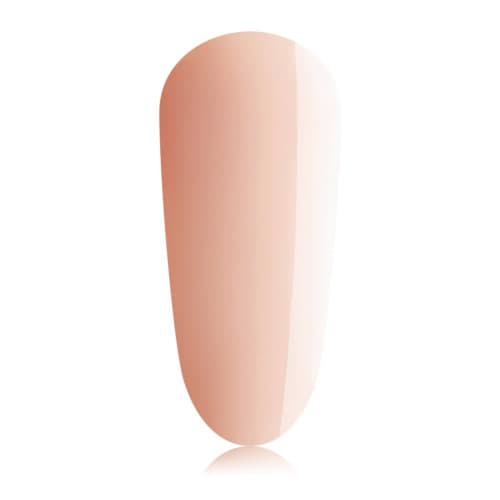
The GelBottle BIAB™ Builder In A Bottle
$50–$120
Also on Amazon
Beetles 3-Piece 15ml Builder Nail Gel Set
$13.99★ 4.6

Modelones Builder Nail Gel 3-Pack with Top Coat
$13.99
Amazon price as of Sep 19, 2026

Beetles Builder Gel Nails Kit HEMA-Free 8-in-1
$21.99
Amazon price as of Sep 19, 2026
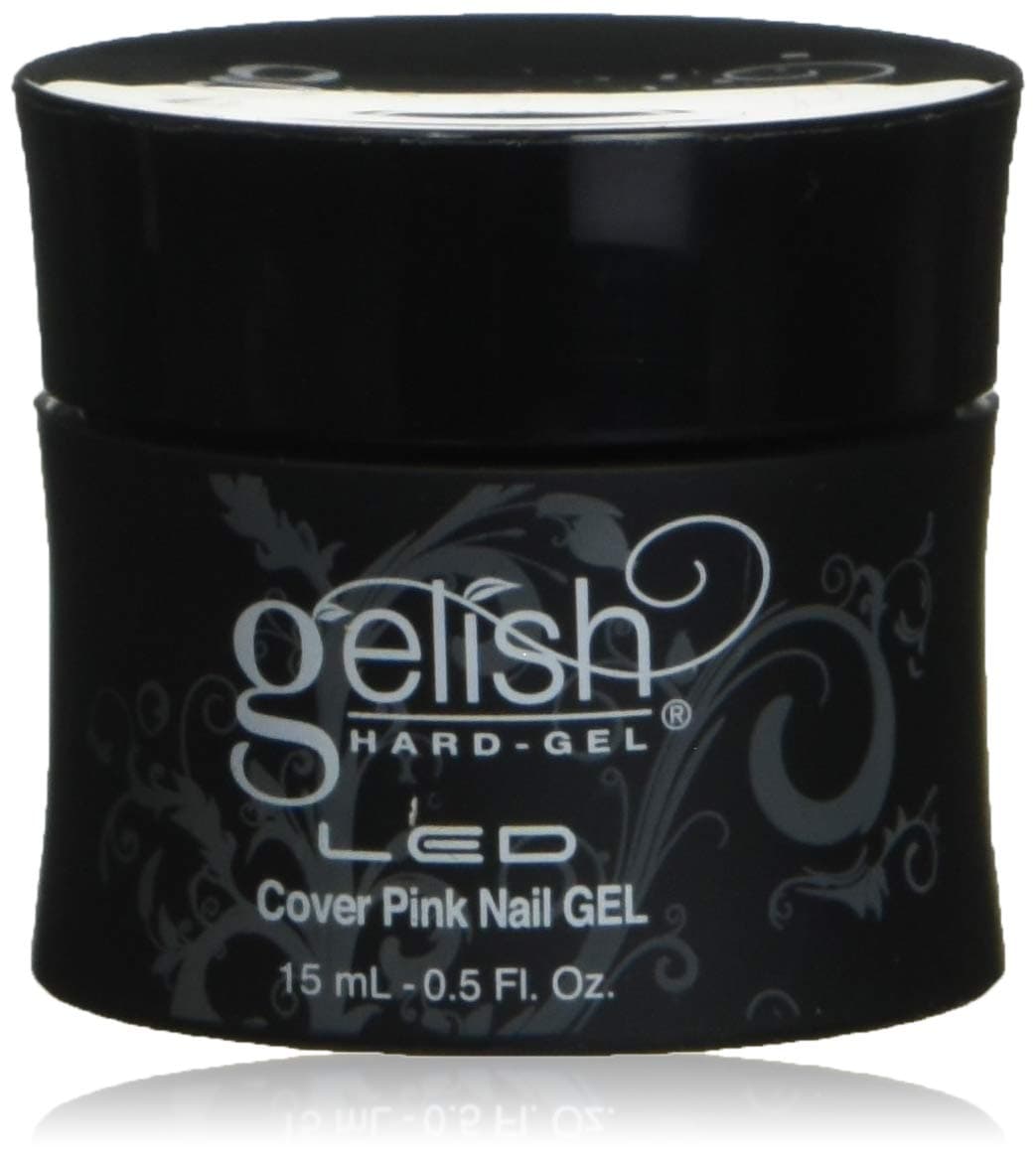
Gelish Structure Brush-On Builder
$25–$50
Also on Amazon
Beetles 3-Piece 15ml Builder Nail Gel Set
$13.99★ 4.6
Hard / File-Off Builder Gel
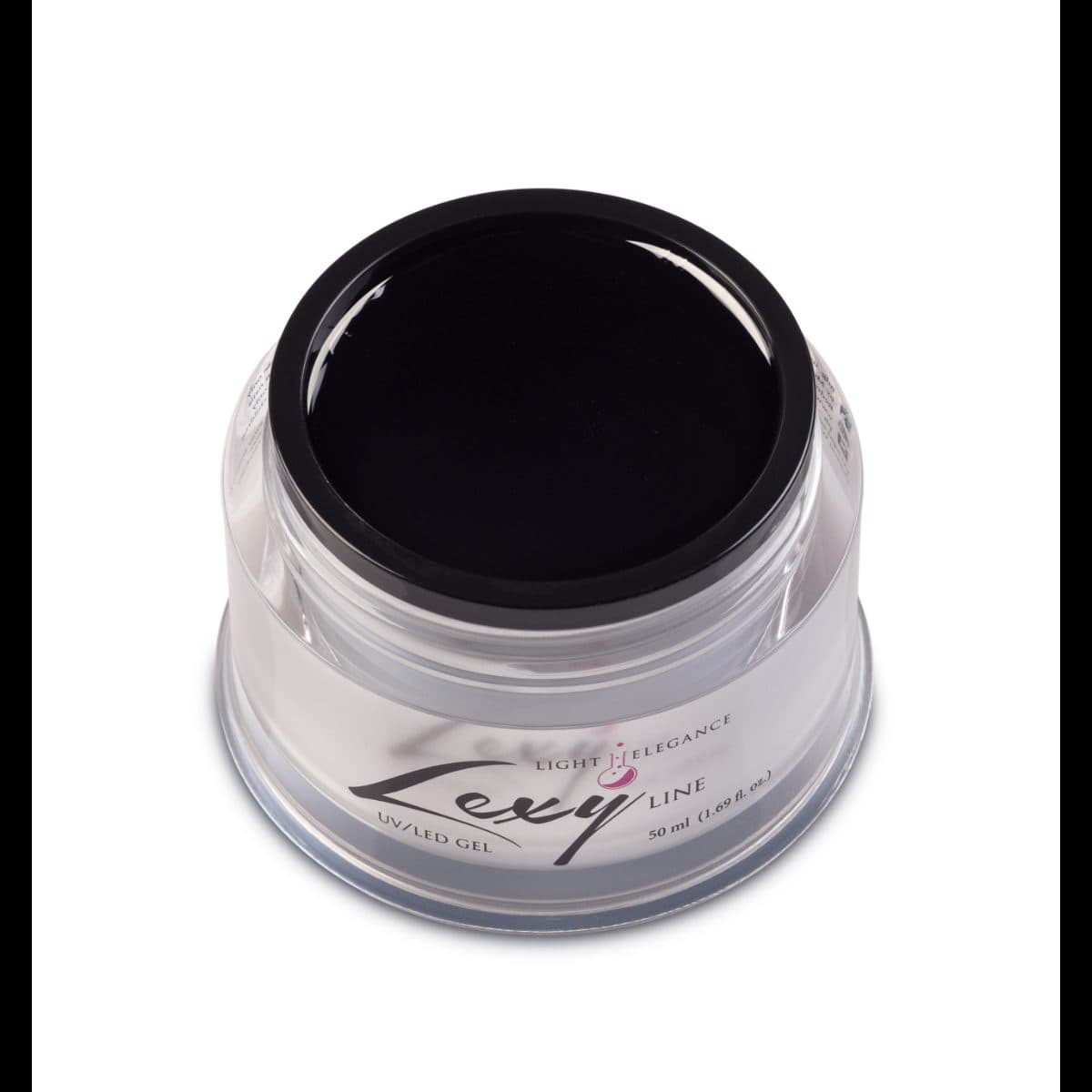
Light Elegance Builder Gel
$120+
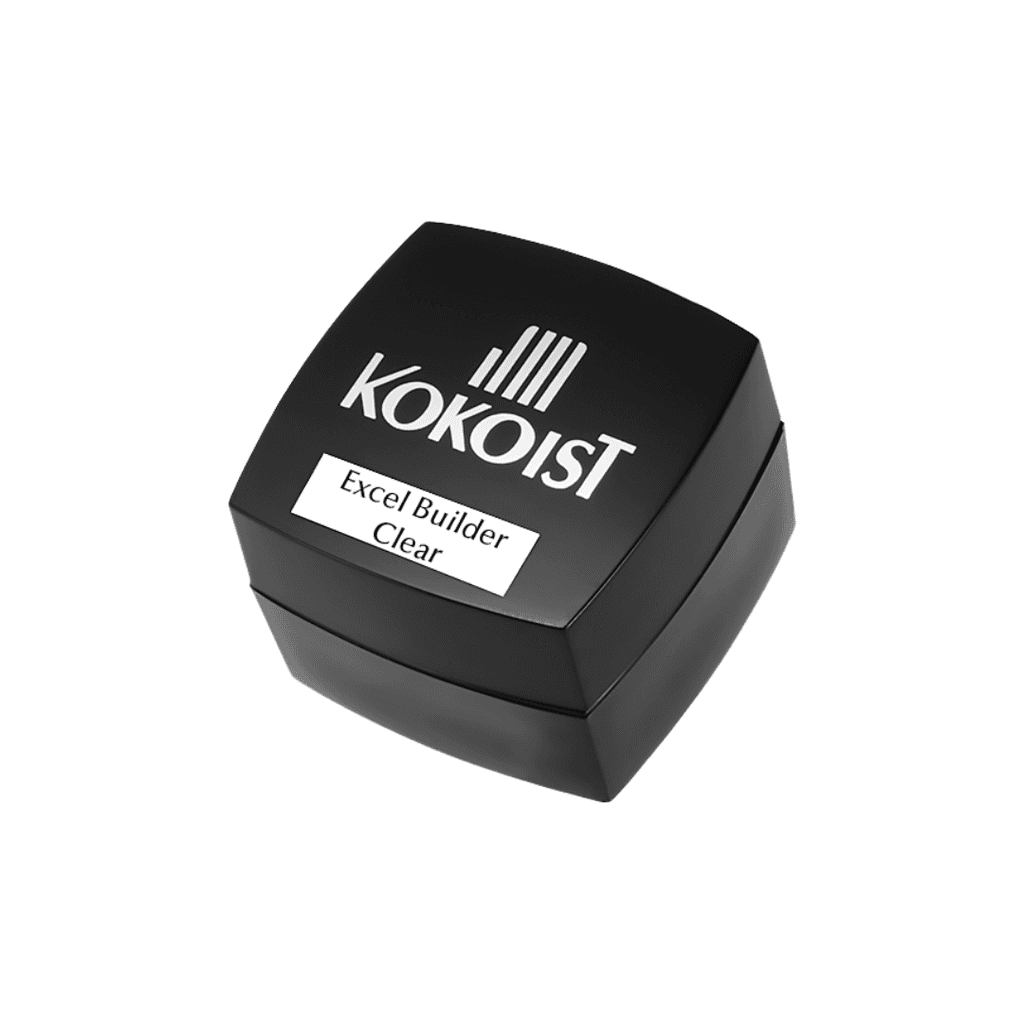
Kokoist Excel Builder Clear
$50–$120
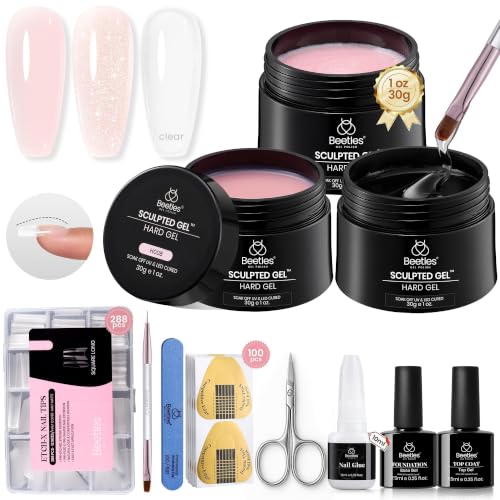
Beetles Hard Gel for Nails Kit (3 Colors)
$29.99
Amazon price as of Sep 19, 2026

SAVILAND Builder Nail Gel Kit (VE Castor Oil)
$37.99
Amazon price as of Sep 19, 2026
For full pro picks, see best professional builder gel. For Amazon-available options, see best builder gel products.
Hybrid Approaches Used by Pros
Many pro techs combine both systems:
Hybrid 1 — Hard gel base + soft top. Hard gel for structural extension, soft soak-off as the final cap layer. Easier removal than pure hard gel; better structure than pure soft.
Hybrid 2 — Hard gel under Gel-X tips. Hard gel adhesive provides extra rigidity for the tip system. Less common but real.
Hybrid 3 — Builder gel + acrylic overlay. Soft builder gel for natural-nail bond + acrylic powder over the top for extreme rigidity. Old-school approach that some pros still use.
For most home users, hybrid approaches add complexity without proportional benefit. Pick one system and master it.
Common User Confusion
"I want hard gel because I want stronger nails"
Often the wrong reason. If the goal is "stronger natural nails underneath," soft builder gel is gentler on long-term nail health. Hard gel adds more structure to the GEL layer but offers no structural benefit to the natural nail underneath.
For nail-health goals, see is builder gel good for your nails and builder gel on natural nails.
"Hard gel is more professional than builder gel"
Marketing-influenced confusion. Both are used by pros. The choice is use-case-driven, not prestige-driven. Most modern salons use BOTH — soft builder for the majority of clients, hard gel for specific extension or art work.
"I should use hard gel because soft gel will fall off"
If soft gel is "falling off" frequently, the issue is application or prep, not the gel category. Switching to hard gel masks the problem at the cost of more removal damage. See builder gel lifting fixes to diagnose the actual cause.
Read next
Builder Gel Lifting? When It Lifts Tells You Why It's Lifting (2026)
When your builder gel lifts tells you exactly what went wrong. Day 1-3 means prep failed. Day 4-7 means cure failed. Day 8+ usually means impact or natural regrowth.
Continue readingHow Removal Differs (The Practical Difference)
This is the difference users feel most clearly:
Soft Builder Gel Removal
- File 80 % of bulk (5-10 min)
- Acetone-soaked cotton + foil wraps (3 min to wrap)
- Soak 15-20 min (hands-off)
- Push softened gel off with wooden pusher (2-3 min)
- Buff + cuticle oil (2 min)
Total: 25-30 min, mostly hands-off.
Hard Gel Removal
- File the entire gel layer down to natural nail with e-file (15-25 min, active)
- Refine the natural nail surface (3-5 min)
- Buff + cuticle oil (2 min)
Total: 25-35 min, fully active filing.
The active filing is what matters. Mistakes during e-file removal go through to natural nail and can't be undone. Soak-off removal is forgiving — if you wait too long, no harm done.
For removal protocol, see how to remove builder gel.
Frequently Asked Questions
Builder gel vs hard gel — which is better? Depends on use case. Soft builder gel for most users (overlays, beginners, frequent removal, sensitivity-aware). Hard gel for sculpted long extensions, pro daily salon work, and competition art.
Is builder gel hard gel? Builder gel is a category that spans soft (soak-off) to hard (file-off) variants. "Hard gel" specifically refers to the firm file-off end. Casual usage of "builder gel" usually means the soft end.
Can I soak off hard gel? No — hard gel resists acetone by design. It must be filed off. This is the defining property that separates it from soft builder gel.
Is hard gel stronger than builder gel? Stronger at long lengths. At short to medium lengths, both are functionally equivalent for daily wear. The strength difference matters when you're past 5 mm extension.
Hard gel for nails — is it safe? Yes when applied and removed by a trained tech. The concern with hard gel is removal — DIY hard gel removal frequently damages natural nails because of e-file requirements. In pro hands, removal is safe.
Builder gel and hard gel difference in feel? Hard gel feels noticeably more rigid on the nail. Soft builder gel has slight flex that matches natural-nail behavior. Most users describe hard gel as "definitely fake feeling" and soft builder as "almost natural feeling."
Do I need different lamps for builder gel and hard gel? No — both cure under standard UV/LED nail lamps. 48 W+ recommended for either system.
Hard gel for beginners — should I try it? Generally not. The application difficulty (no self-leveling) and removal difficulty (e-file only) make it a poor first system. Master soft builder gel for 5-10 sets first; then consider hard gel if your use case actually requires it.
Soft gel vs hard gel — same as soak-off vs file-off? Yes — same distinction. "Soft gel" = soak-off = removable in acetone. "Hard gel" = file-off = requires filing for removal.
Can hard gel damage natural nails more than soft? Yes, primarily through removal. The required filing for hard gel removal causes more cumulative natural-nail thinning than soak-off removal does over multiple cycles.
A Note on Sensitization Across Both Systems
Soft and hard builder gel both use methacrylate chemistry that can sensitize skin over repeated exposure. Hard gel often has higher monomer concentrations than soft soak-off variants, which can mean slightly higher per-exposure sensitization risk. The American Academy of Dermatology covers acrylate contact dermatitis extensively — symptoms (redness, itching, swelling around cuticles) develop with cumulative exposure. For pros doing daily client work in either system, PPE matters. For DIY users, soft soak-off is the lower-cumulative-exposure path because removal generates less filing dust.
Final Notes from Sara
Soft builder gel is the right answer for 90 % of users — natural-nail overlays, beginners, DIY work, sensitivity, frequent removal cycles. Hard gel earns its place for sculpted extensions, pro art, and salon-pro daily use.
The choice isn't about which is "better" — it's about which fits your use case.
For full builder gel system context, see the Builder Gel Atlas. For soft-gel specifics, see soft builder gel nails. For pro-tier picks (which include hard gel options), see best professional builder gel.
If you're new to gel work entirely, start soft. You can always add hard gel to your toolkit later if your work demands it.
Last updated May 2026. This article uses AI assistance for research and structure; all comparisons come from my own salon practice with both systems.