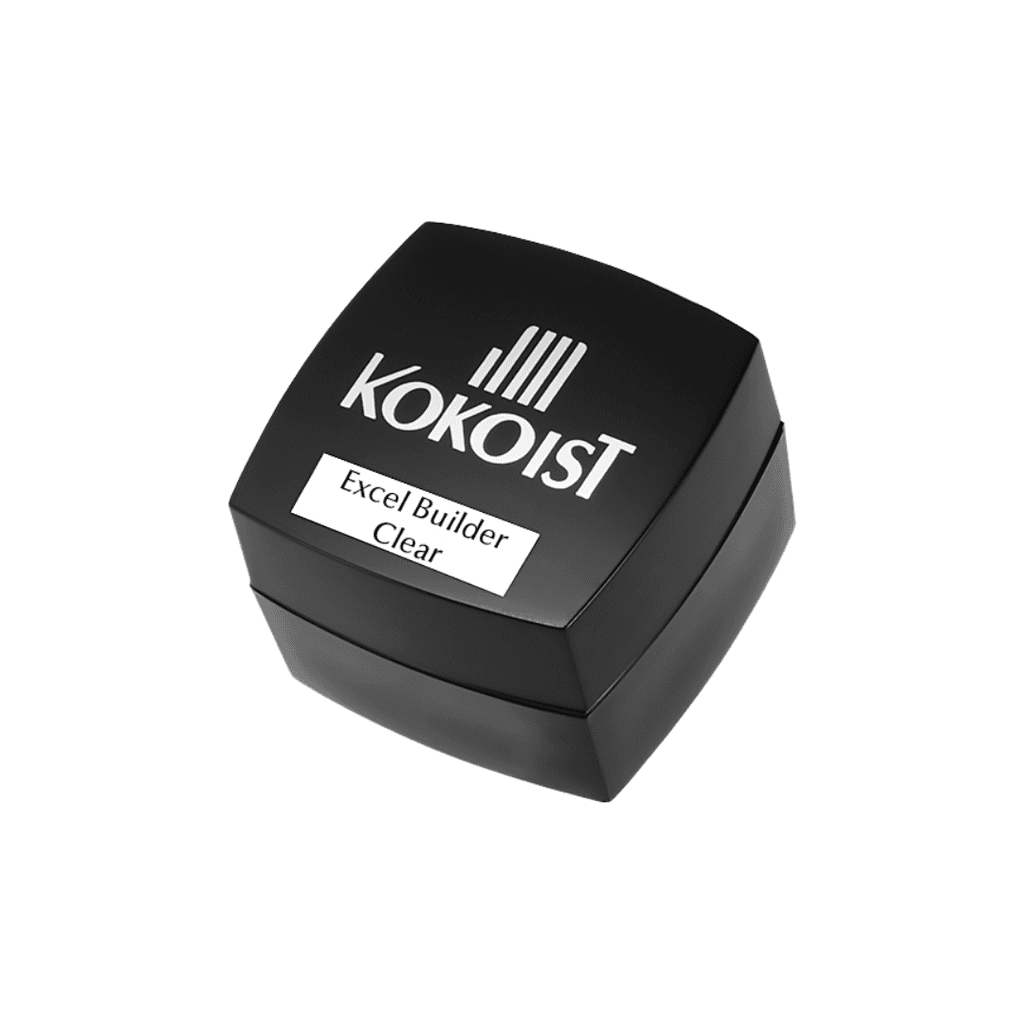
How to read this catalog
Two tiers, one rule. The budget tier is where almost everyone should start — not because cheap is good, but because the difference between a $9 bottle and a $40 pot is consistency across a year of bottles, not a visibly better nail on your first set. Learn the technique on a forgiving budget gel; upgrade when your hands, not your wallet, are the limiting factor. The professional tier is for techs doing many sets a week, and for the specific cases a budget gel handles badly: long sculpted extensions and very firm apex control.
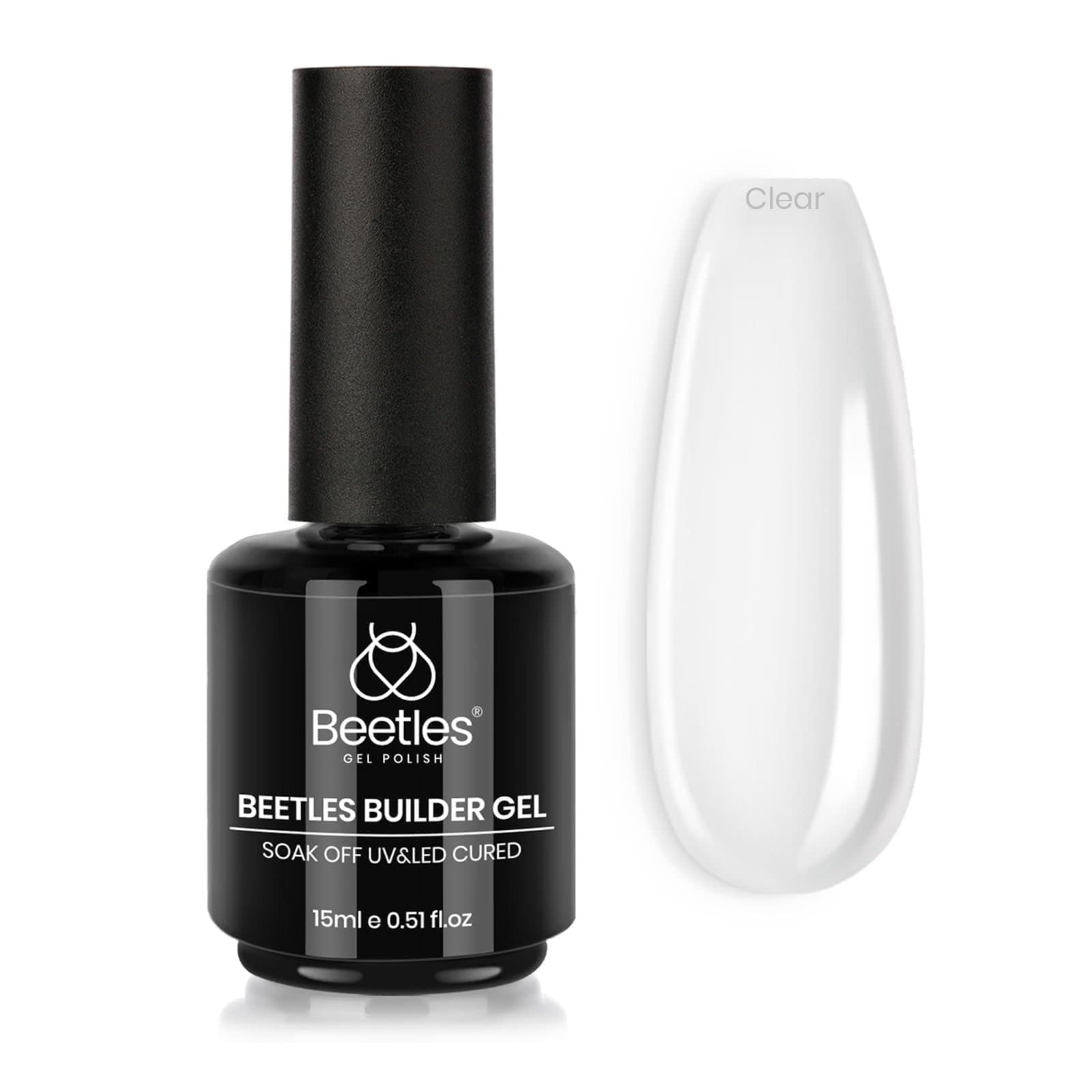
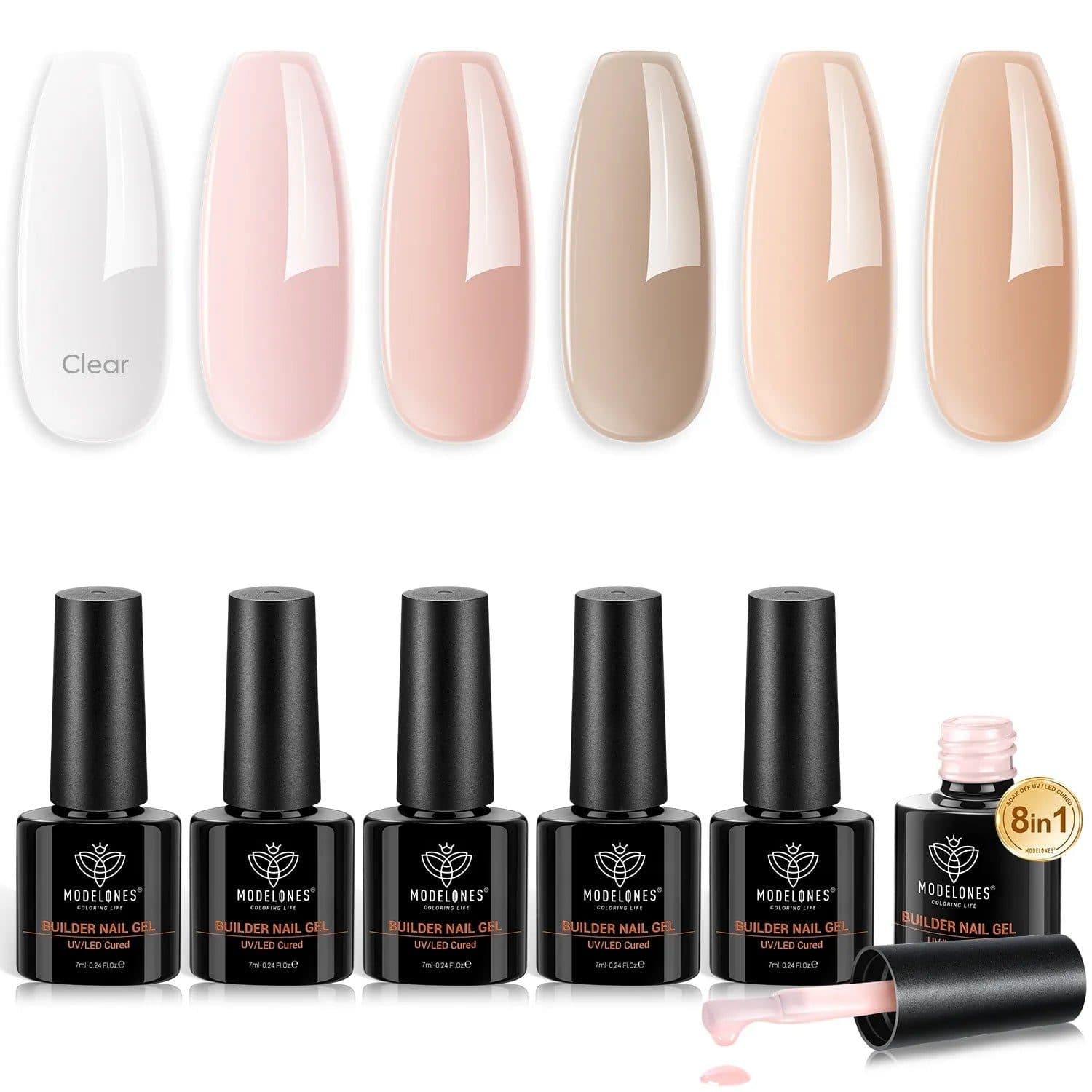
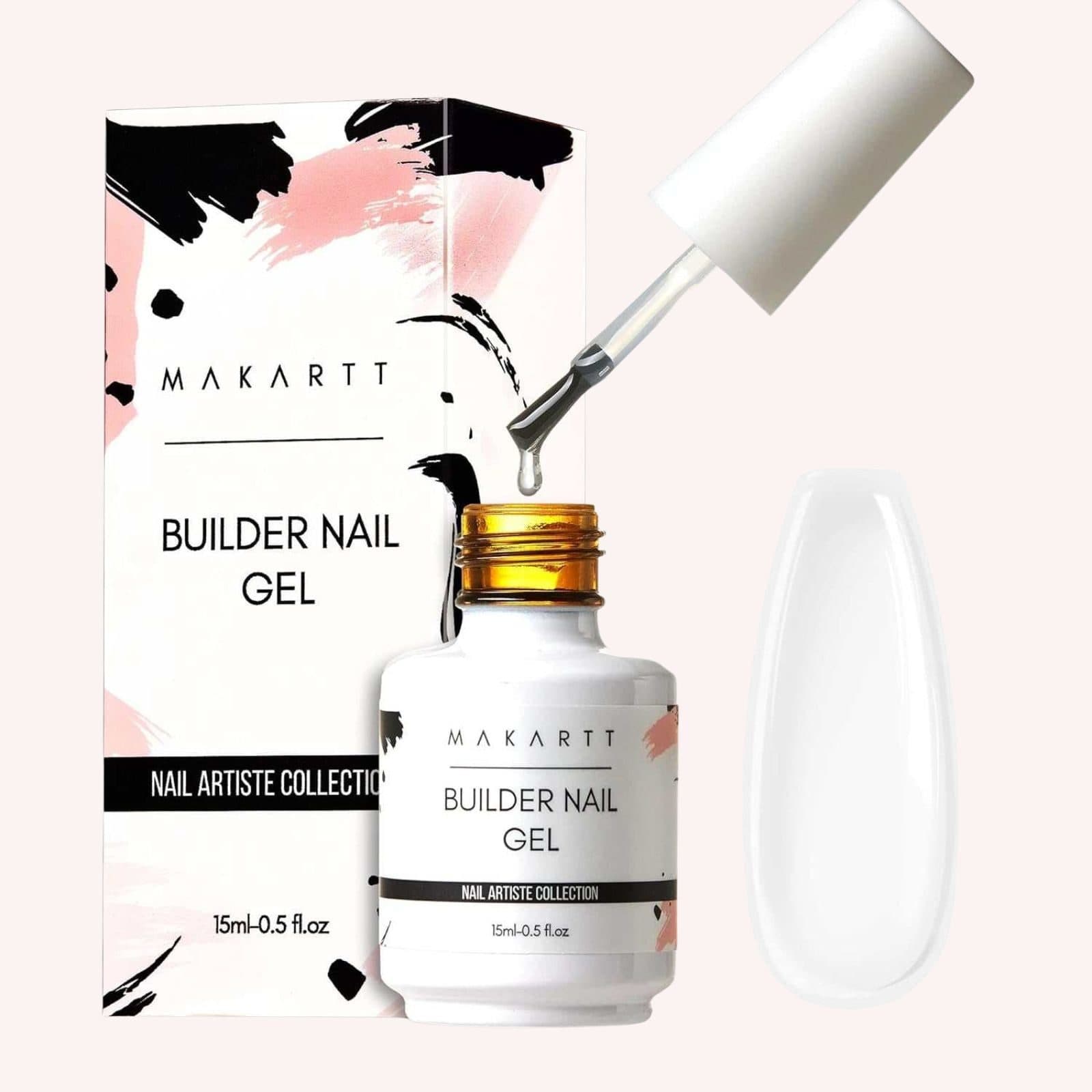
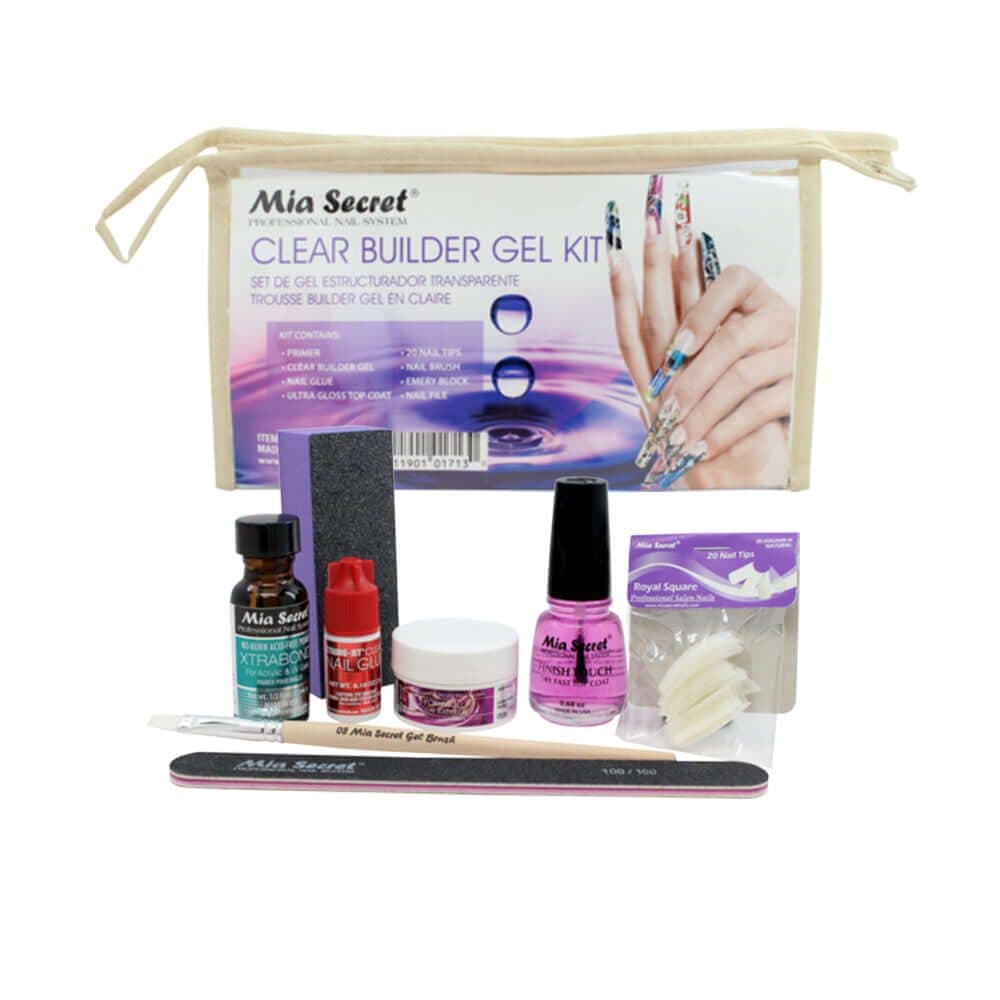
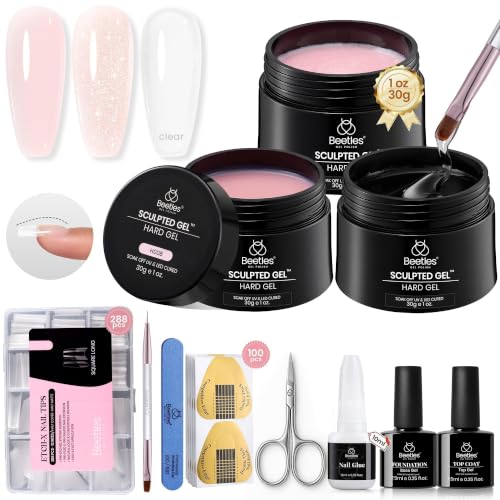
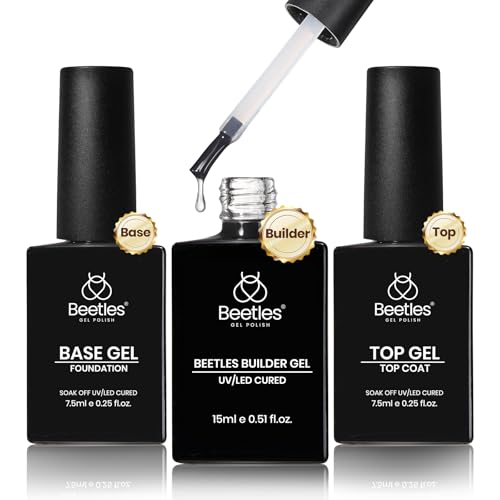
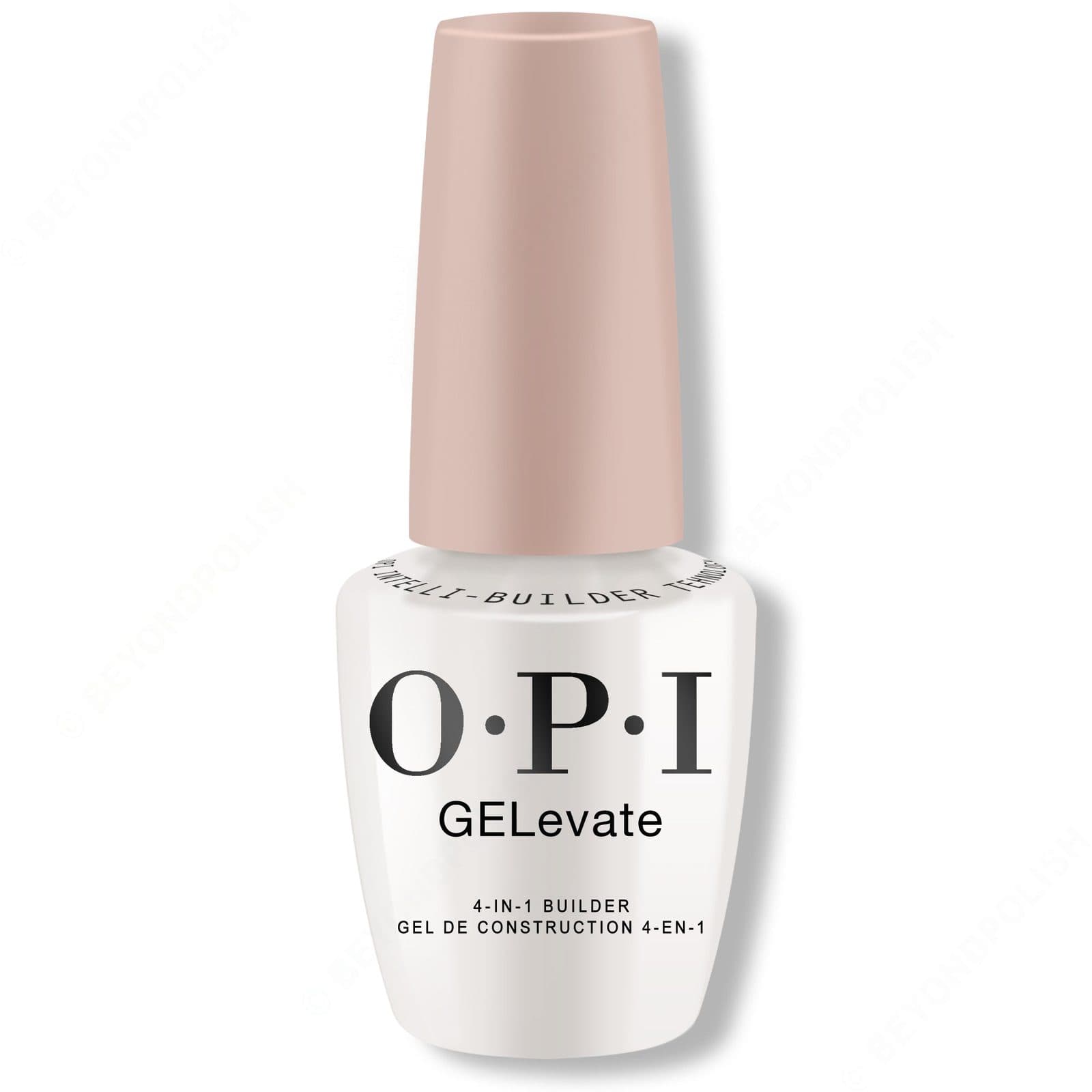
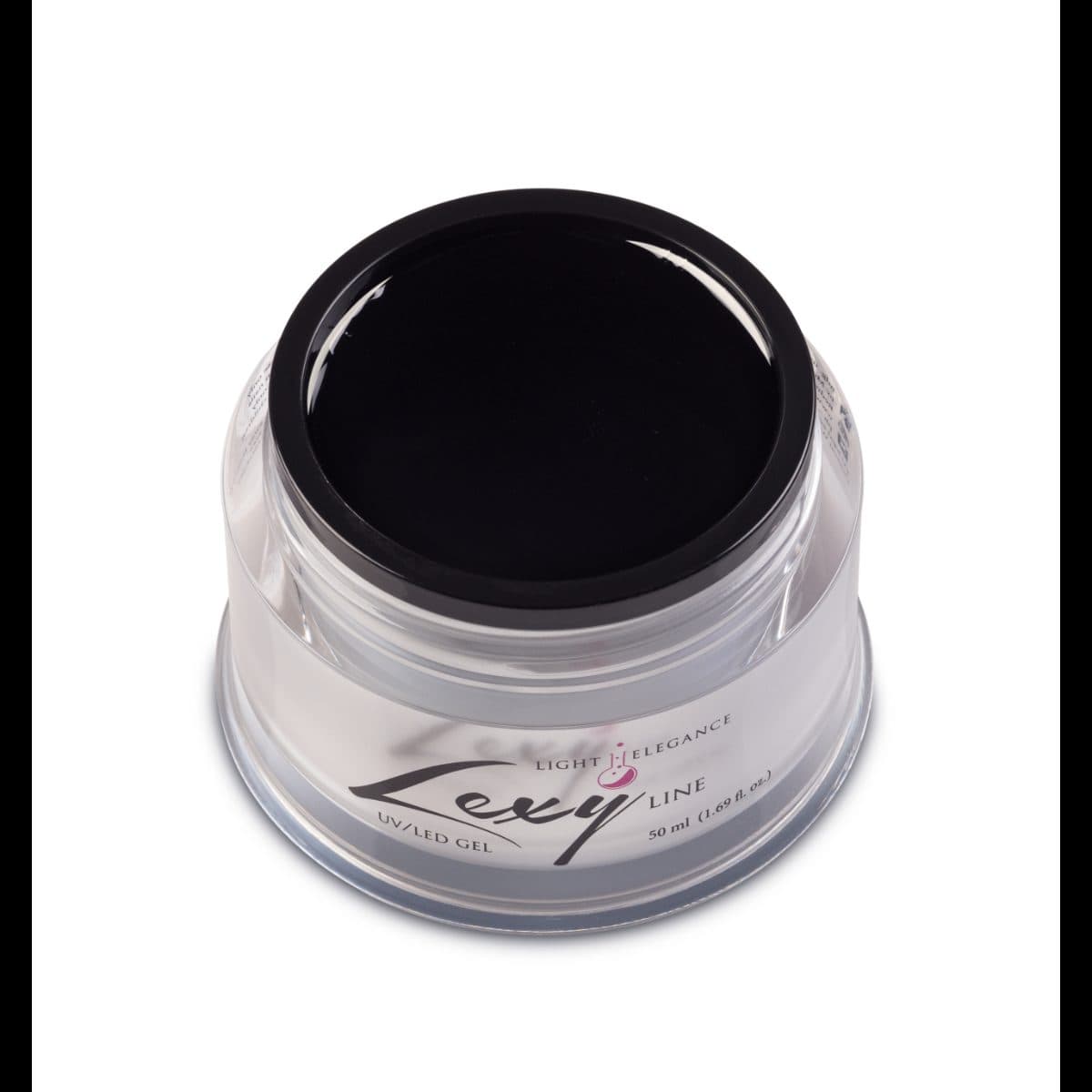
Each card shows the brand, a live Amazon price where the product is sold there, and a badge if the formula is HEMA-free. “Direct from brand” cards are products I recommend that are not sold on Amazon; where a close Amazon equivalent exists, it is listed under the card. Star ratings and review counts, where shown, are for context only and never drive the ranking — the rankings live in the best picks section and are based on wear tests.
What actually separates a good builder gel from a bad one
Ignore the words “professional” and “salon quality” on a label; they are unregulated. Look for four things instead. Viscosity you can predict — the bottle should say medium, thick, or self-leveling, and behave that way at room temperature. A published cure time for a stated lamp — “60 seconds LED” means nothing without wattage; the good brands say 48W. An ingredient list you can find — HEMA-free is optional, but hiding the INCI is a red flag. Soak-off versus file-off stated plainly — a hard builder sold as “soak-off” is how people end up over-filing their natural nail forty minutes into a removal. The best builder gel brands guide grades the major names on exactly these four points.