This is the pillar reference for everything builder gel — what builder gel actually is, how it differs from BIAB and hard gel, who it's for, how it's applied, every common problem and its fix, all the system comparisons, the products worth buying, and the removal protocol that protects nail health long-term. Each section links to a deeper guide if you want to drill into specifics.
If you're looking for one specific thing, jump to the relevant section using the topic map at the bottom.
What Are Builder Gel Nails?
Builder gel is a thicker, structurally-supportive gel that cures under LED or UV light. Builder gel nails are natural nails (or short extensions) reinforced with a layer of this builder gel — creating an overlay that protects, strengthens, or extends the natural nail.
The defining characteristics:
- Photo-cured under LED/UV light (not air-cured)
- Self-leveling to varying degrees (some firm, some flowy)
- Soak-off (most consumer formulas) or file-off (some pro hard formulas)
- Builds an apex — a deliberate structural high point that distributes flex stress
- Lasts 18-25 days in normal wear, longer with maintenance
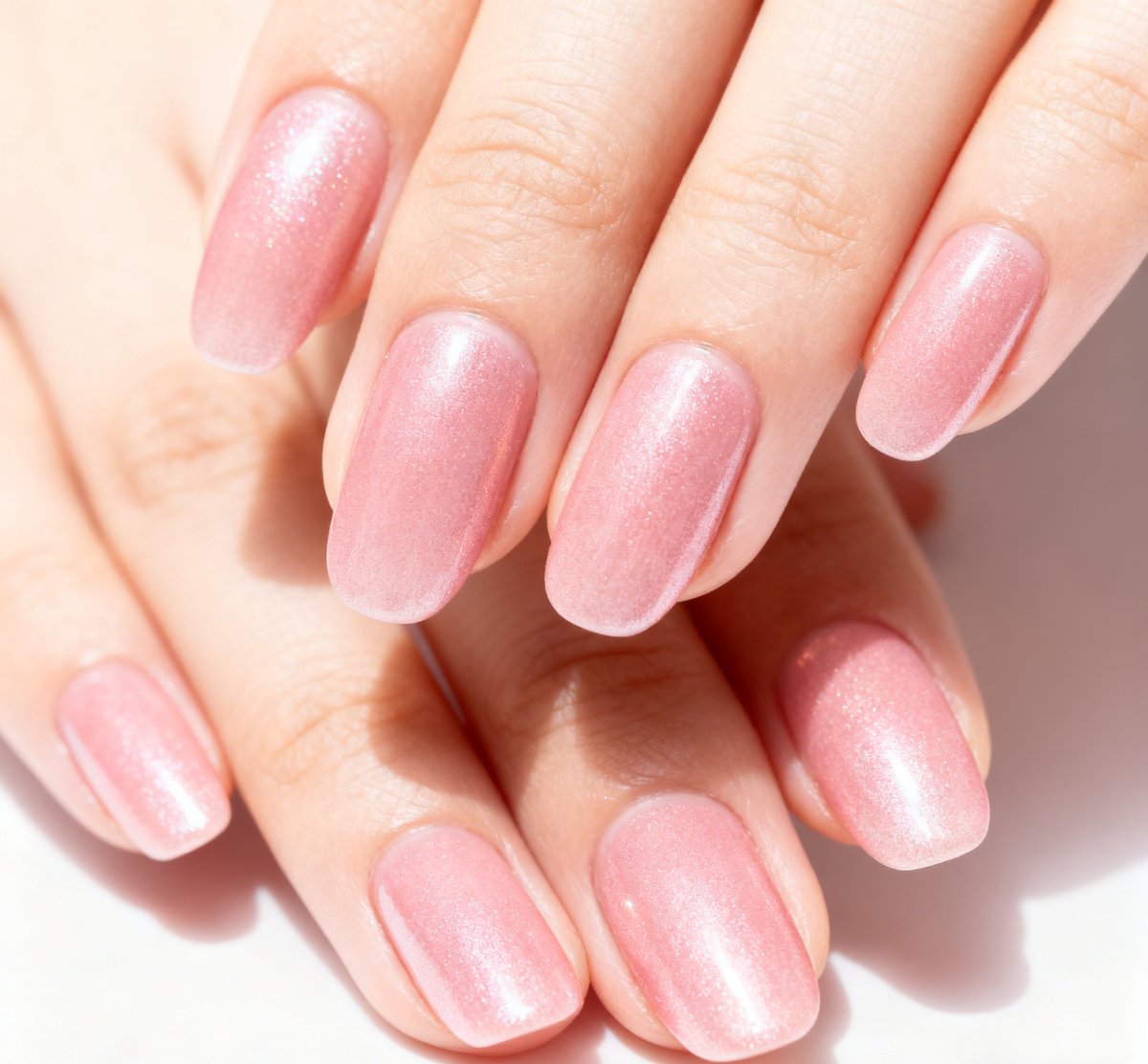
In salon practice, I use builder gel as a protective overlay on weak or peeling natural nails, or to build short extensions over forms. The gel stays flexible enough for daily life while strong enough to keep the free edge from cracking.
The Builder Gel Ecosystem — Names You'll Hear
The category is full of overlapping terms that confuse beginners. Here's the practical translation:
| Term | What it means |
|---|---|
| Builder gel | The category — any thick gel building structure |
| BIAB™ (Builder In A Bottle) | The GelBottle's specific brush-on builder gel; brand-trademarked |
| Soft gel | Soak-off builder gel |
| Hard gel | File-off (non-soak-off) builder gel |
| Structure gel | Marketing term, usually = builder gel |
| Sculpting gel | Usually firm-formula builder gel |
| Bio gel | Often = builder gel (brand-specific) |
| Self-leveling gel | Builder gel that flows slightly when placed |
| Hema-free builder gel | Builder gel without HEMA monomer |
When a salon advertises "BIAB" they're doing builder gel by a specific brand. When they advertise "structure manicure" they're doing builder gel under different marketing. The chemistry is similar across all of these — application differs slightly per formula.
Who Builder Gel Is For (And Who Should Skip It)
Builder gel is the right choice for:
- People with weak, peeling, or splitting natural nails — the overlay locks layers together
- Post-acrylic recovery — gentlest reinforcement option for thin recovering nails
- Beginners learning at-home enhancements — lower learning curve than acrylic
- Office professionals wanting natural-looking strength — lighter feel, less obvious
- Hands-on workers who need impact resistance — protects against daily micro-impacts
- Anyone who wants 3-week wear without dramatic length — short to medium overlays excel
For natural-nail strengthening specifically, see the builder gel on natural nails guide.
Skip builder gel if:
- You've reacted to gel manicures before — unless you commit to HEMA-free formulas only
- You want extreme length (>5mm past free edge) — acrylic or Gel-X tips are stronger
- You won't commit to proper removal — peeling builder gel damages natural nails
- You have an active nail infection — needs medical attention, not enhancement
The 4 Main Use Cases
Builder gel serves four distinct purposes. Knowing which one is yours points you to the right product and technique.
Use Case 1 — Natural-Nail Strengthening (Overlay)
Apply a thin builder gel layer over your natural nail bed for added structural protection without changing length. Best for weak, peeling, or recovering nails.
Full guide: builder gel on natural nails
Use Case 2 — Short to Medium Extensions
Build builder gel onto an extension form to add length up to 4-5mm past the free edge. Self-leveling formulas are forgiving for first-time extensions.
Full application: how to use builder gel
Use Case 3 — Long Sculpted Extensions
Pro formulas (firm/hard builder gels) can support sculpted extensions over 5mm with proper apex placement. Beyond that, Gel-X tips or acrylic are structurally better.
Compare to alternatives: builder gel vs Gel-X
Use Case 4 — Color Builder Manicures
Tinted, milky, and pigmented builder gels add color while building structure — the "BIAB manicure" aesthetic. Color builders need slightly longer cure times than clear.
For specific color and brand picks, see best builder gel products.
How Builder Gel Compares to Other Systems
Builder gel is one of several enhancement systems. Each comparison page covers the trade-offs in detail:
Builder Gel vs Acrylic
Builder gel is lighter, lower odor, easier to remove. Acrylic is stronger at long lengths and dustier during application. Choose based on length goals and lifestyle.
Read next
Builder Gel vs Acrylic in 2026: 5 Lifestyle Profiles That Pick One Over the Other
Builder gel vs acrylic comes down to lifestyle, not chemistry. Five distinct user profiles, each with a clear winner, plus the health, cost, and removal trade-offs.
Continue readingBuilder Gel vs Polygel
Builder gel self-levels and applies faster. Polygel has unlimited work time but more filing after cure. Different application feels — try both before committing.
Read next
Builder Gel vs Polygel in 2026: Strength, Cost, and Which System Wins for You
A round-by-round comparison of builder gel vs polygel — viscosity, work time, durability, removal, and cost — based on hundreds of real client sets across both systems.
Continue readingBuilder Gel vs Gel-X
Builder gel builds structure on your own nail. Gel-X uses pre-shaped tips for fast standardized length. Hybrid approach (builder under Gel-X tips) gives best of both.
Read next
Builder Gel vs Gel-X in 2026: 6 Use Cases Where One Beats the Other
Builder gel vs Gel-X — six use cases where one clearly beats the other, plus the cost-per-year math, removal trade-offs, and when to use both together.
Continue readingBuilder Gel vs Dip Powder
Builder gel has smoother out-of-cure finish, faster removal. Dip powder is more rigid but takes longer to remove. Comparable wear time, different feel.
Read next
Builder Gel vs Dip Powder in 2026: Process, Wear, and Removal Compared Side-by-Side
Builder gel vs dip powder, walked through every stage — application, wear, removal, and long-term nail health. The systems behave very differently across all four.
Continue readingHow Builder Gel Nails Are Applied
The full 8-step application is detailed in the how to use builder gel guide. Here's the high-level overview:
- Prep the natural nail (cuticle work, light buff, dehydrate)
- Base coat application + cure
- Slip layer of builder gel (no cure)
- Apex placement with bead, then flash cure
- Full cure (60-120 seconds based on formula)
- Refine shape with file
- Top coat with free-edge cap, cure
- Wipe inhibition layer with alcohol
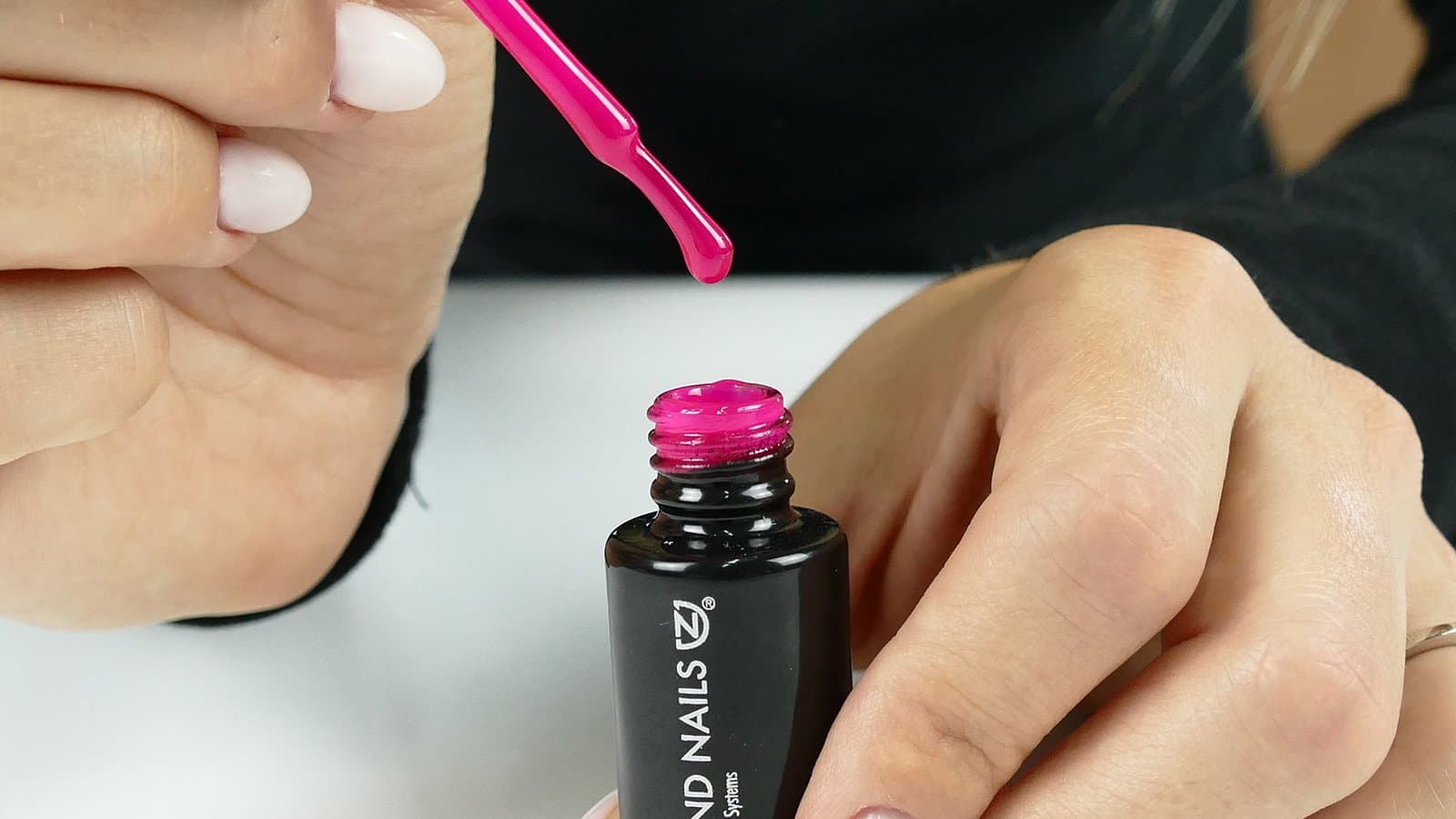
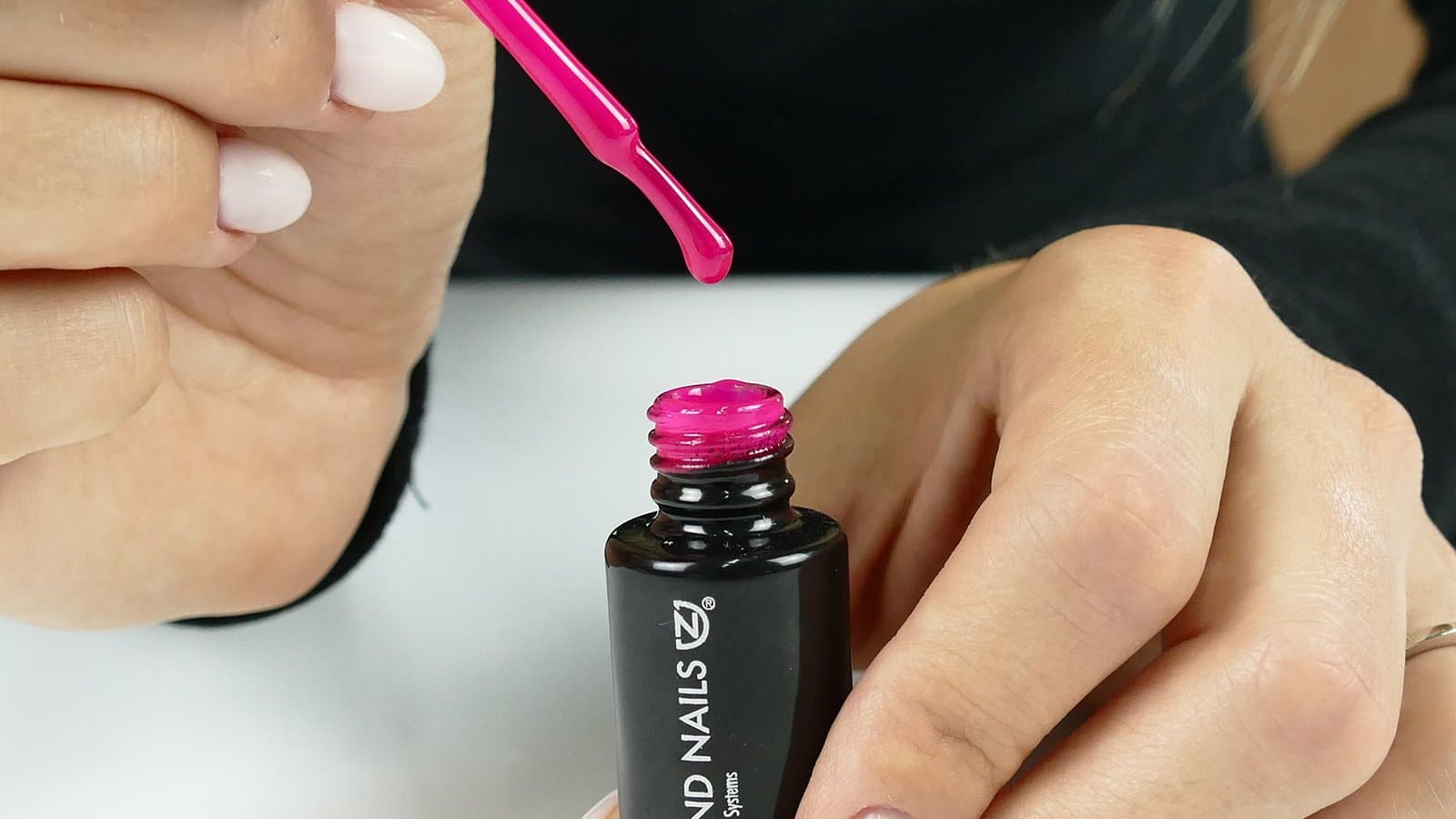
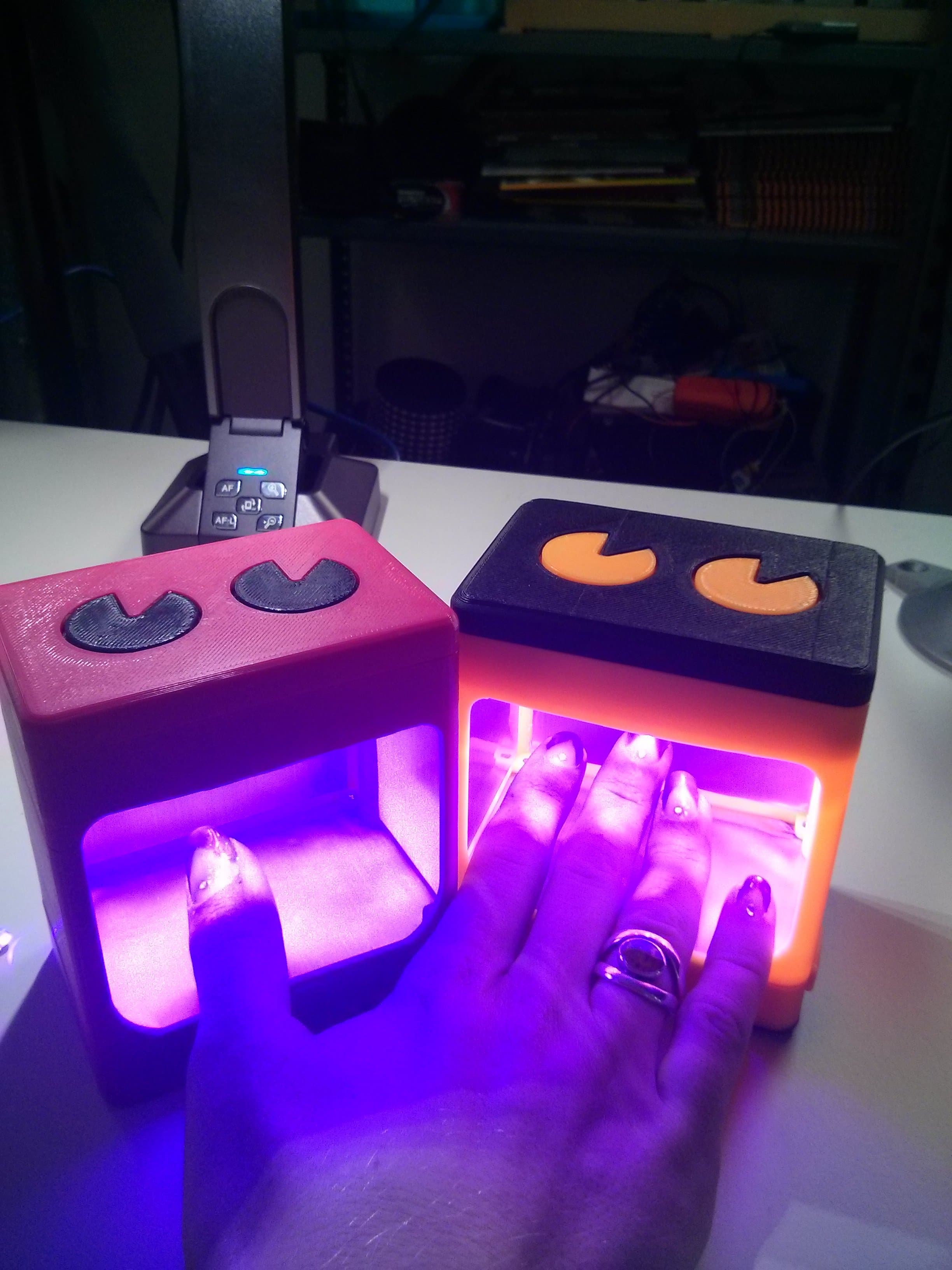
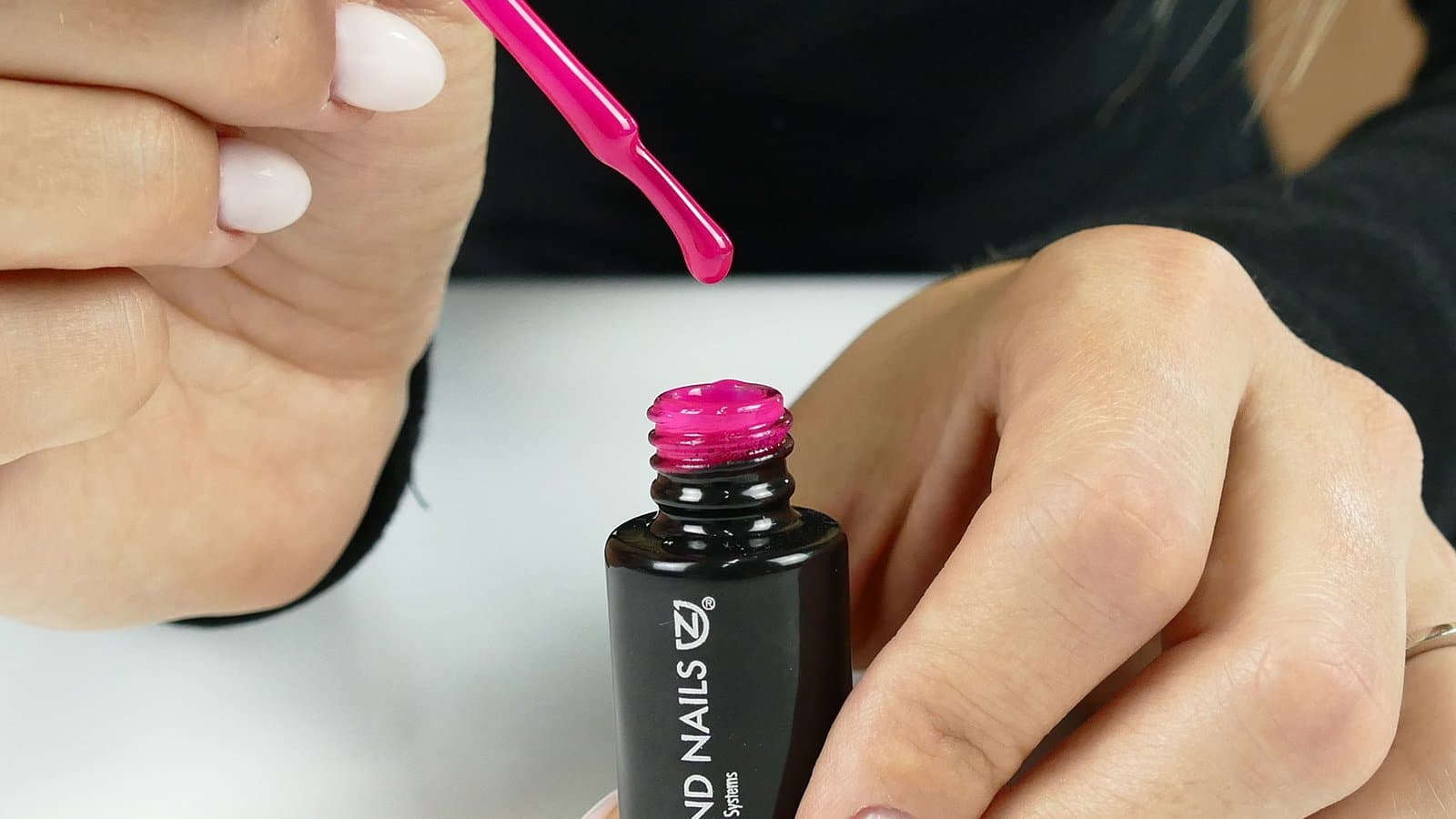
Total time for a beginner: 60-90 minutes. For proficient DIY: 45-60 minutes.
The two highest-leverage skills are:
- Apex placement — the apex must sit over the stress point (1/3 back from free edge), not under the cuticle
- Free-edge cap — sealing the tip with builder gel, then again with top coat, is what gets you 21-day wear
Read next
How to Use Builder Gel: Salon-Tested 8-Step Application for Beginners (2026)
The exact 8-step builder gel routine I use on clients — prep, base, slip layer, apex placement, cure, refine, top coat, finish. With timing, common mistakes, and per-step troubleshooting.
Continue readingCommon Builder Gel Problems (Quick Diagnosis)
Most problems trace back to one of three root causes: bad prep, bad placement, or under-cure. The symptom tells you which.
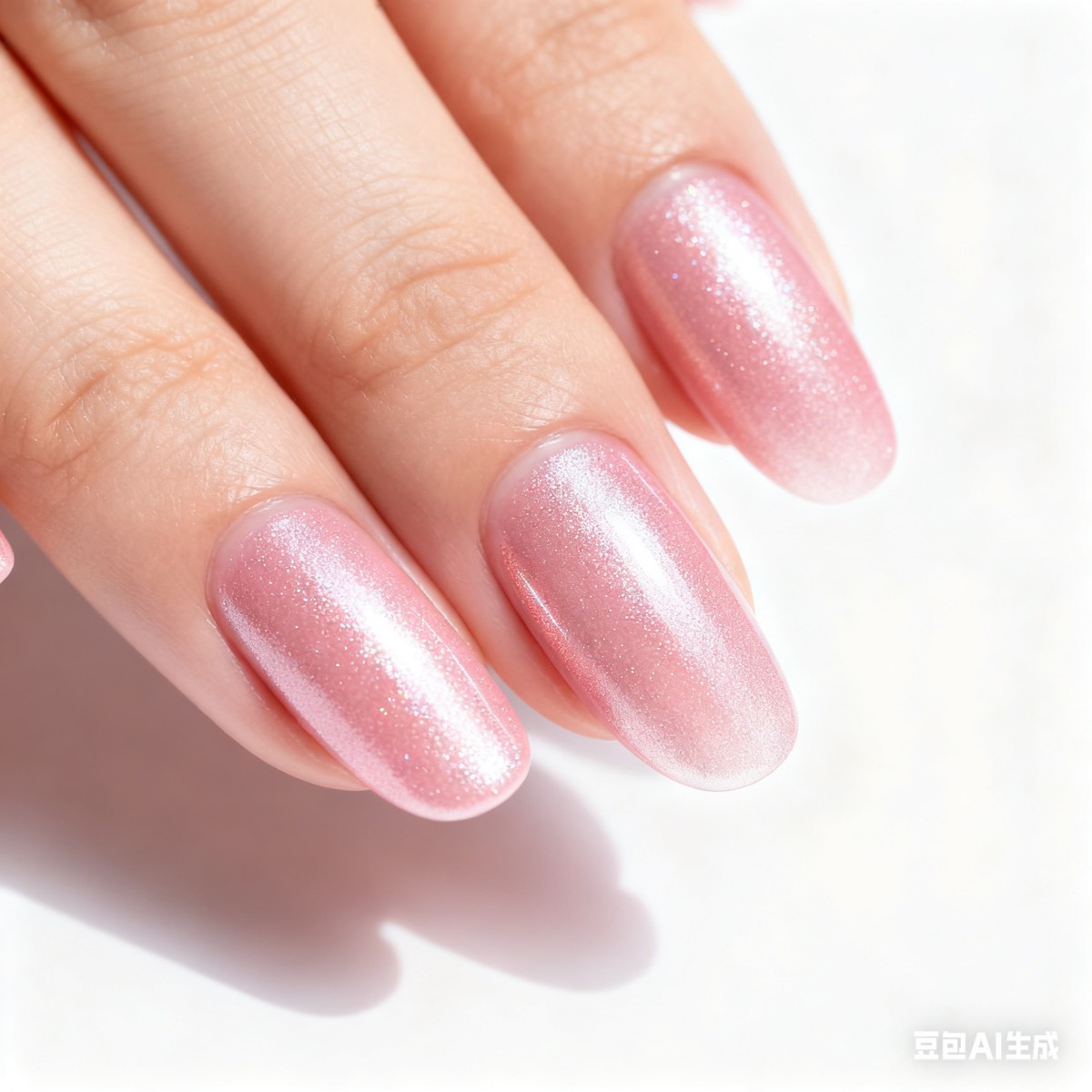
Cracking
Cracks indicate structural failure. Type tells you cause: hairline surface cracks (heat/top-coat), free-edge cracks (length too long for formula), sidewall cracks (over-filing), apex cracks (wrong apex placement).
Full diagnostic: builder gel cracking fixes
Lifting
When the gel lifts tells you why. Day 1-3 means prep failed. Day 4-7 means cure or skin contact. Day 8+ means impact or top-coat aging.
Full diagnostic: builder gel lifting fixes
Sticky After Curing
Surface tackiness is the normal inhibition layer (wipe with alcohol). True under-cure (gel soft underneath) needs different fixes.
Full diagnostic: why builder gel is sticky
Not Curing
Five real causes: lamp wattage, bead thickness, pigment density, thumb geometry, lamp bulb degradation. Each has a specific fix.
Full diagnostic: builder gel not curing
Removal Without a Drill
You don't need an e-file to remove builder gel safely. File-and-soak method works with a hand file only.
Full method: how to remove builder gel without a drill
Removal — The Most Important Step for Long-Term Nail Health
More natural-nail damage happens during removal than during application. Bad removal habits over multiple sets cause the thinning that gets blamed on "gel damage."
The safest at-home method is file-and-soak:
- File 80% of the bulk gel down (5-10 min)
- Wrap with acetone-soaked cotton + foil (or silicone caps)
- Soak 15-20 minutes
- Push off softened gel gently with wooden pusher
- Light buff, cuticle oil
Full removal protocol: how to remove builder gel
Never peel builder gel off. Peeling tears layers of natural nail with the gel. Single most damaging removal habit.
Read next
How to Remove Builder Gel at Home Safely: 3 Methods Compared (2026)
Three methods to remove builder gel — file-and-soak, file-only, and salon e-file — compared on time, safety, and nail-health impact. Plus a detailed step-by-step for the safest at-home method.
Continue readingIs Builder Gel Bad for Your Nails?
Builder gel is not inherently damaging when applied and removed correctly. The damage everyone associates with gel comes from:
- Aggressive filing during prep (thins the natural plate)
- Peeling during removal (tears nail layers off)
- Over-buffing between sets (compounds damage)
- Acrylate sensitization from repeated exposure to uncured monomers
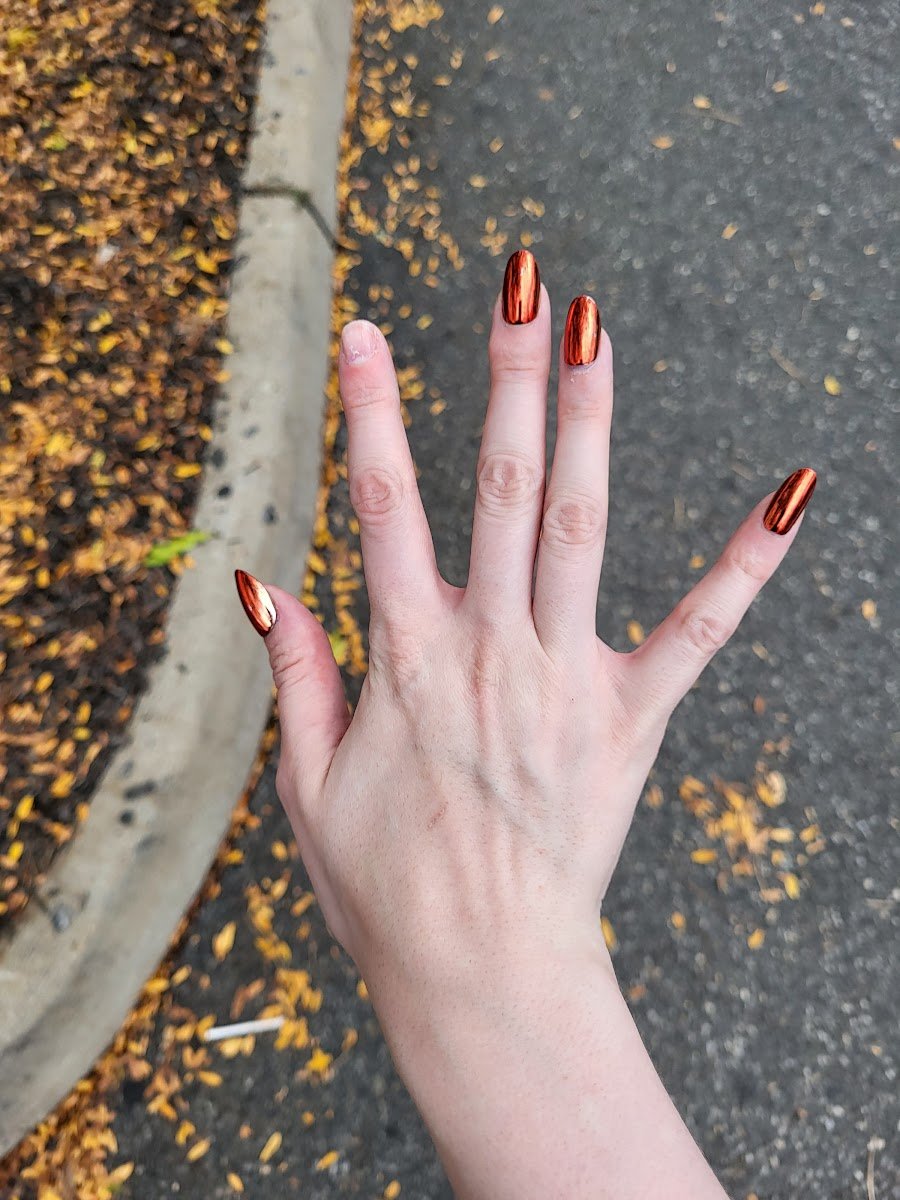
The American Academy of Dermatology has tracked rising rates of acrylate contact dermatitis tied to repeated gel exposure. If you experience redness, itching, swelling, or burning around the cuticles, stop using builder gel and see a dermatologist. Sensitization is cumulative — each exposure raises future risk.
For sensitivity-aware users, HEMA-free formulas are the lower-risk option. The GelBottle's Au Lait BIAB™ is the cleanest widely-available 2026 formula.
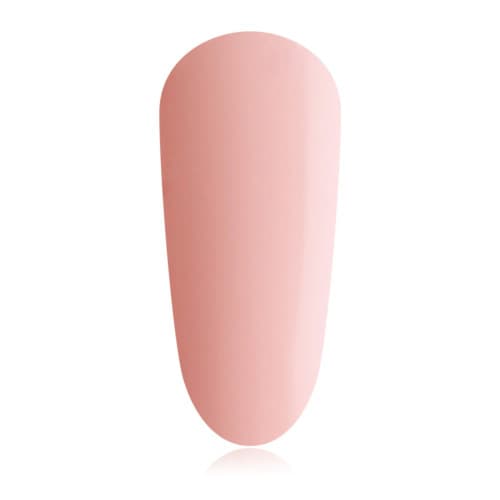
Au Lait HEMA-Free BIAB™
$50–$120
Maintenance and Cycle Planning
A typical builder gel cycle:
Day 0: Apply set, 60-90 min Day 7-10: Optional top coat refresh — extends wear by 5-7 days Day 14-18: Inspect for early lift, address with rebalance if needed Day 21: Schedule fill or full removal Between sets: 1-2 day break with cuticle oil for nail recovery
For long-term health, take a longer break (5-7 days bare nails) every 4-6 sets to let the natural nail fully rehydrate.
Cost Over Time
For DIY at home (year 1):
- Starter kit $30-$80 + replacement gel $15-$30 = $45-$110
- Plus optional lamp upgrade $20-$40 if needed
For salon (every 3 weeks):
- Builder gel sets: $50-$150 per visit × 17 visits = $850-$2,550 yearly
- Fills: $30-$70 per visit if alternating with full sets
DIY pays back the kit cost within 1-2 sets vs salon. Pro brands (BIAB, Light Elegance) cost more upfront but reach 80-150 sets before refilling product.
For full kit recommendations across price points: best builder gel kits. For standalone product picks: best builder gel products.
Specific Product Reviews
In-depth reviews on individual products:
- Beetles builder gel review — budget kit with 8 colors
- Olive & June builder gel review — premium DIY brand-trust pick
For broader product comparisons, the best builder gel products guide ranks 10 picks by use case.
Finding a Builder Gel Salon
If you'd rather have a tech apply builder gel than DIY:
Full guide: builder gel nails near me covers the 5 questions to ask a salon, red flags to watch for, price expectations by region, and what good service feels like.
The most reliable builder gel specialists are typically independent techs working from home studios — they tend to have longer appointment times and deeper specialization than walk-in salons.
Best Builder Gel Picks (2026 Quick Reference)
For full rankings, see the dedicated guides. Here are the top picks at a glance:
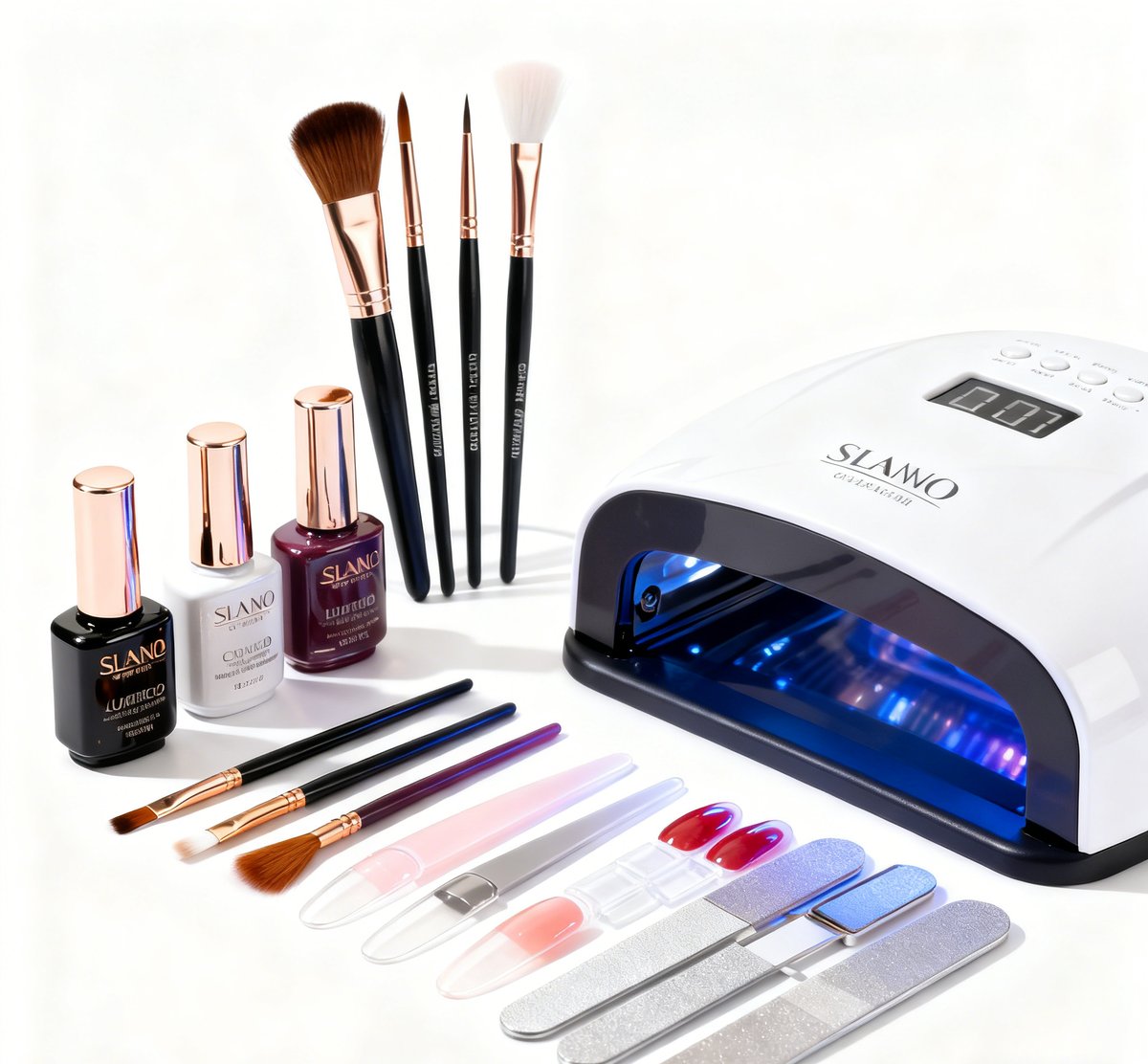
Budget DIY:
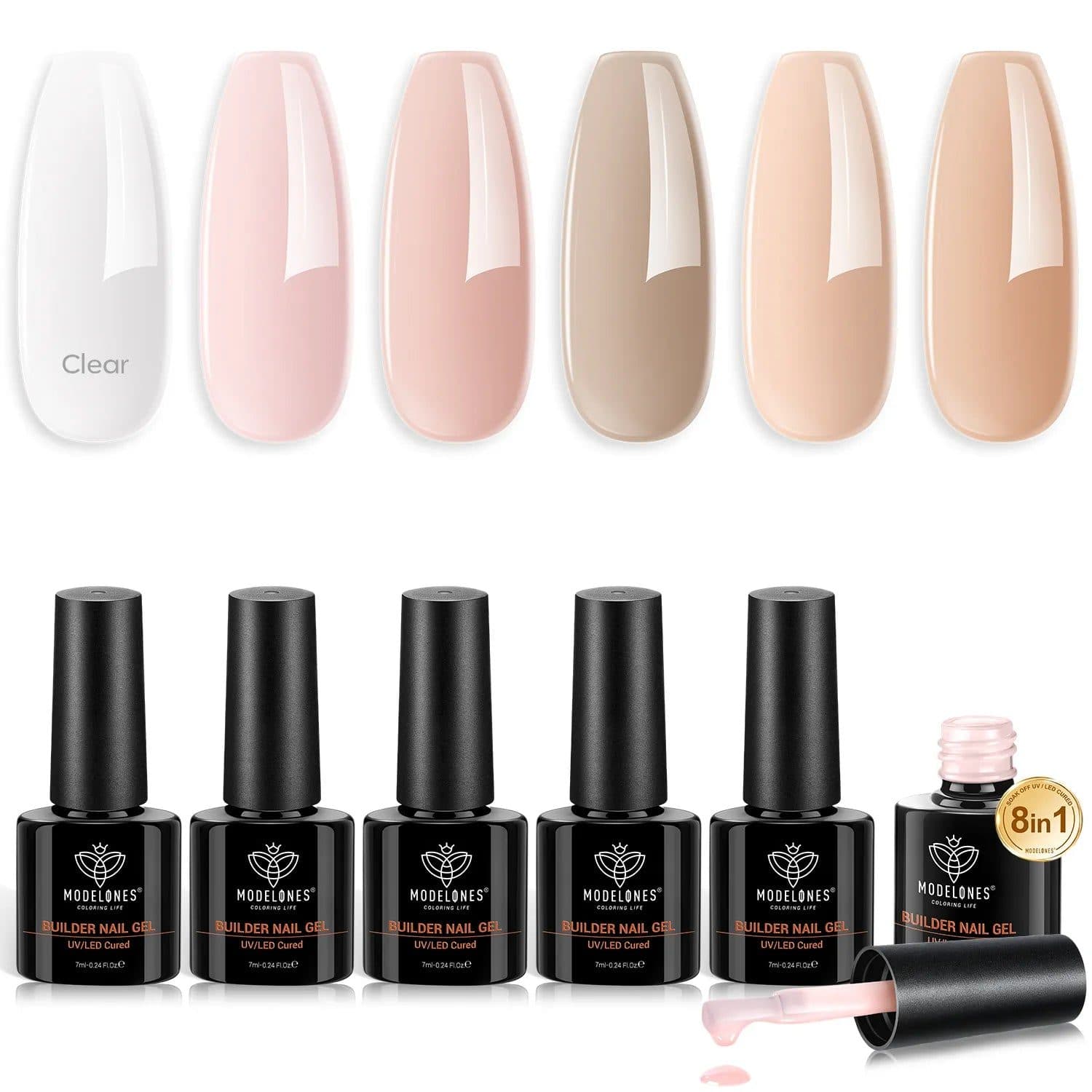
Modelones Builder Nail Gel Kit
Under $25
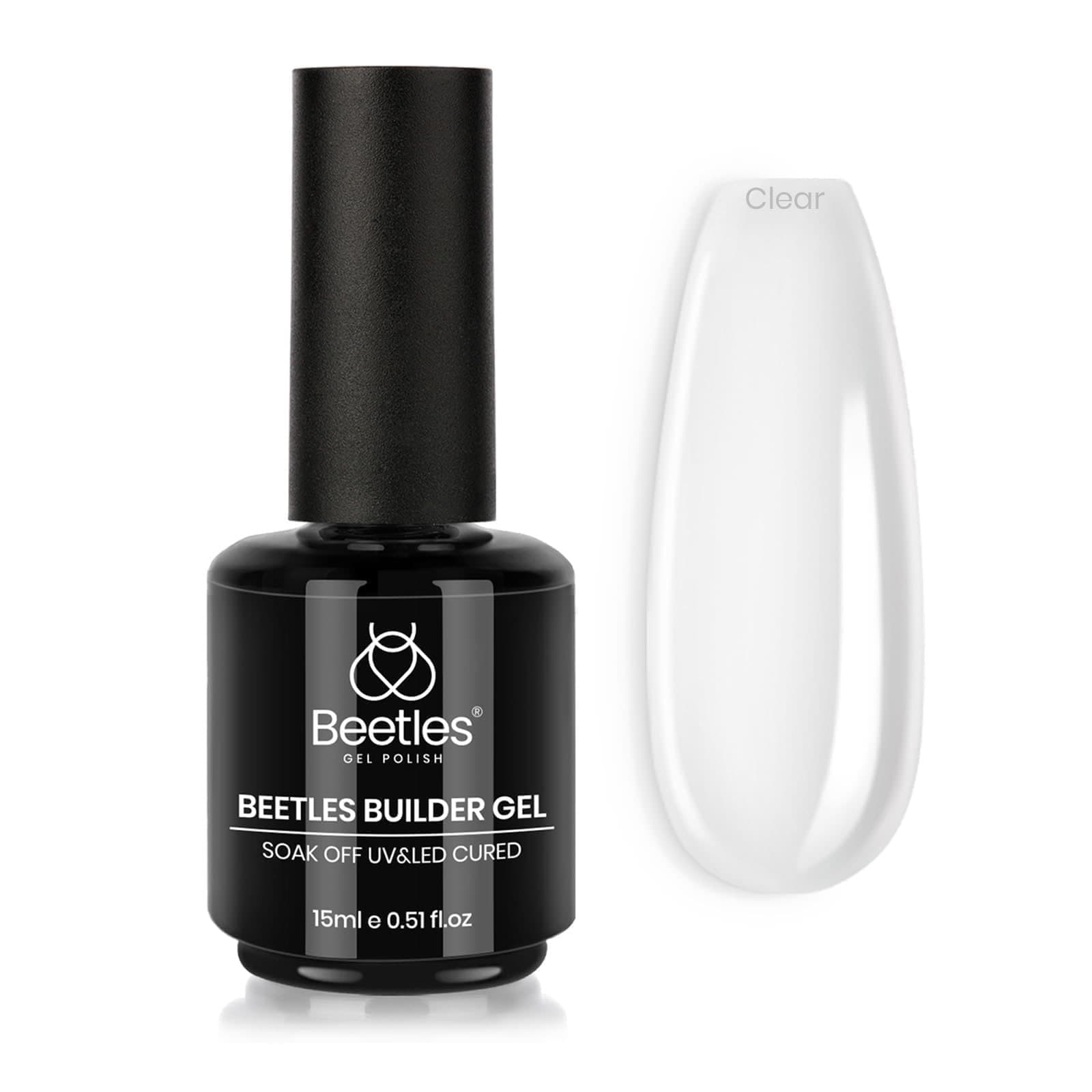
Beetles Builder Gel for Nails
Under $25
Mid-tier DIY:
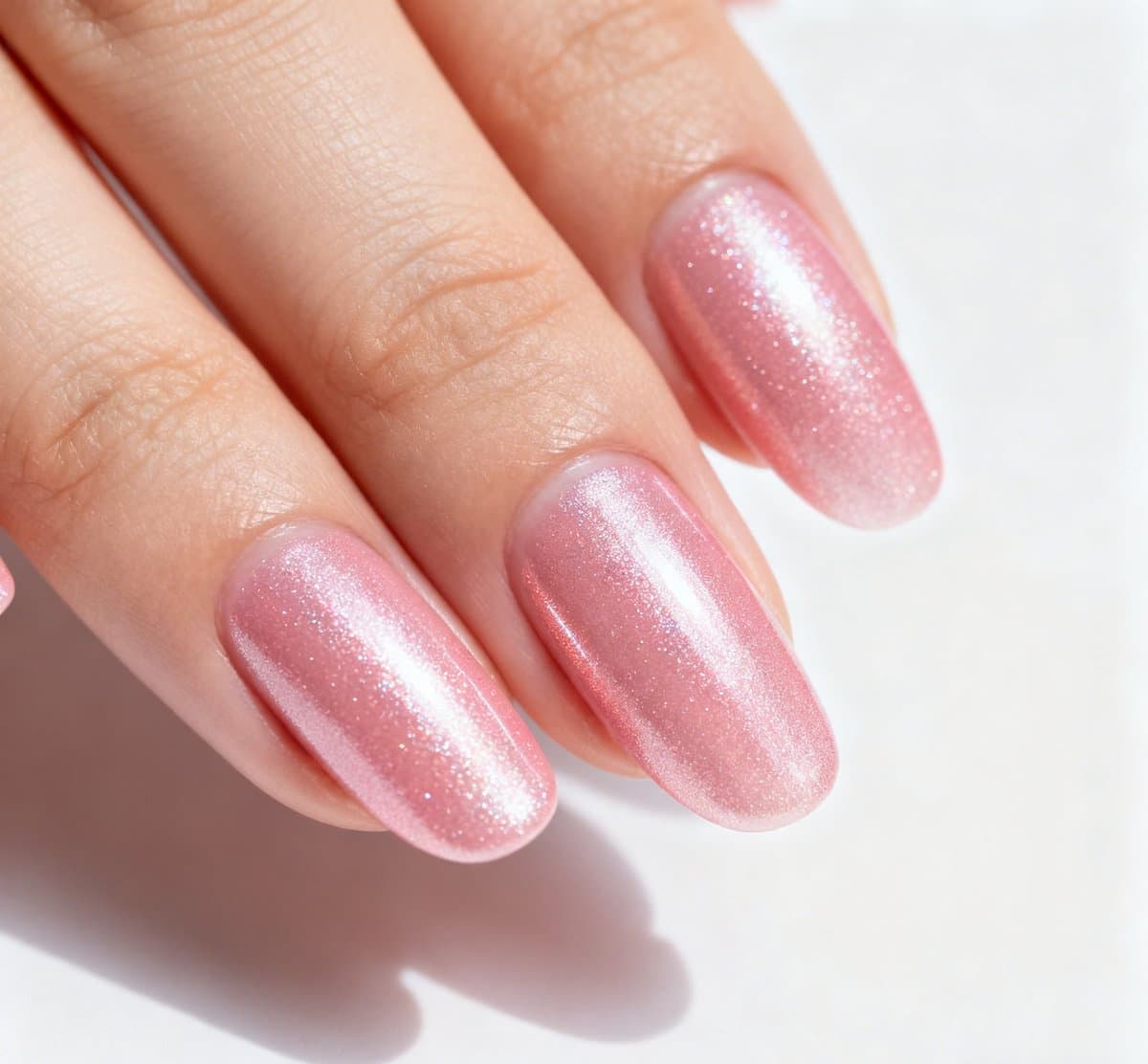
Olive & June Builder Gel Kit
$25–$50
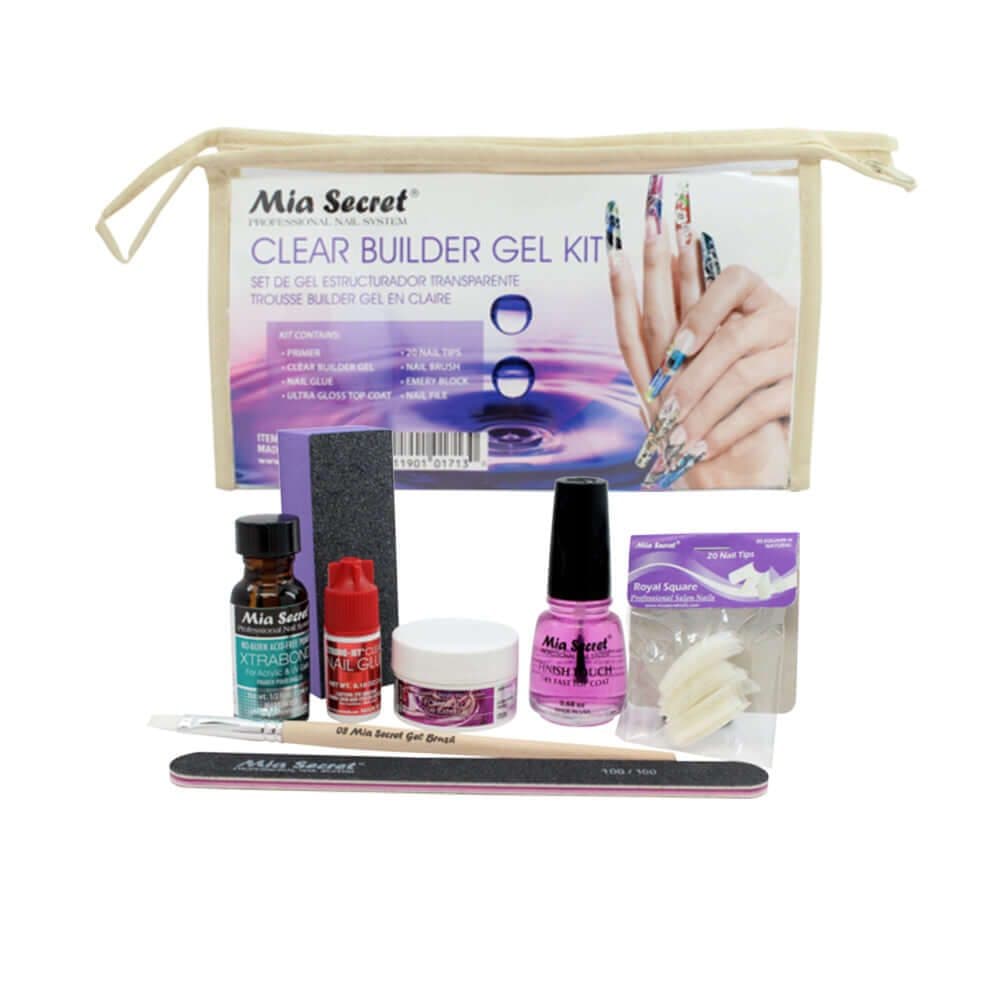
Mia Secret Formagel Builder Gel Kit
$25–$50
Pro-grade brush-on:
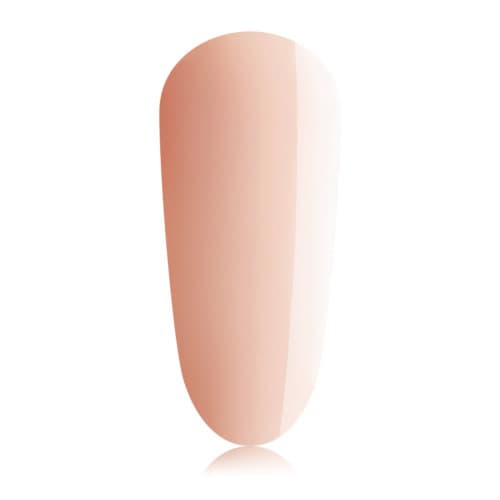
The GelBottle BIAB™ Builder In A Bottle
$50–$120
Also on Amazon
Beetles 3-Piece 15ml Builder Nail Gel Set
$11.39★ 4.6
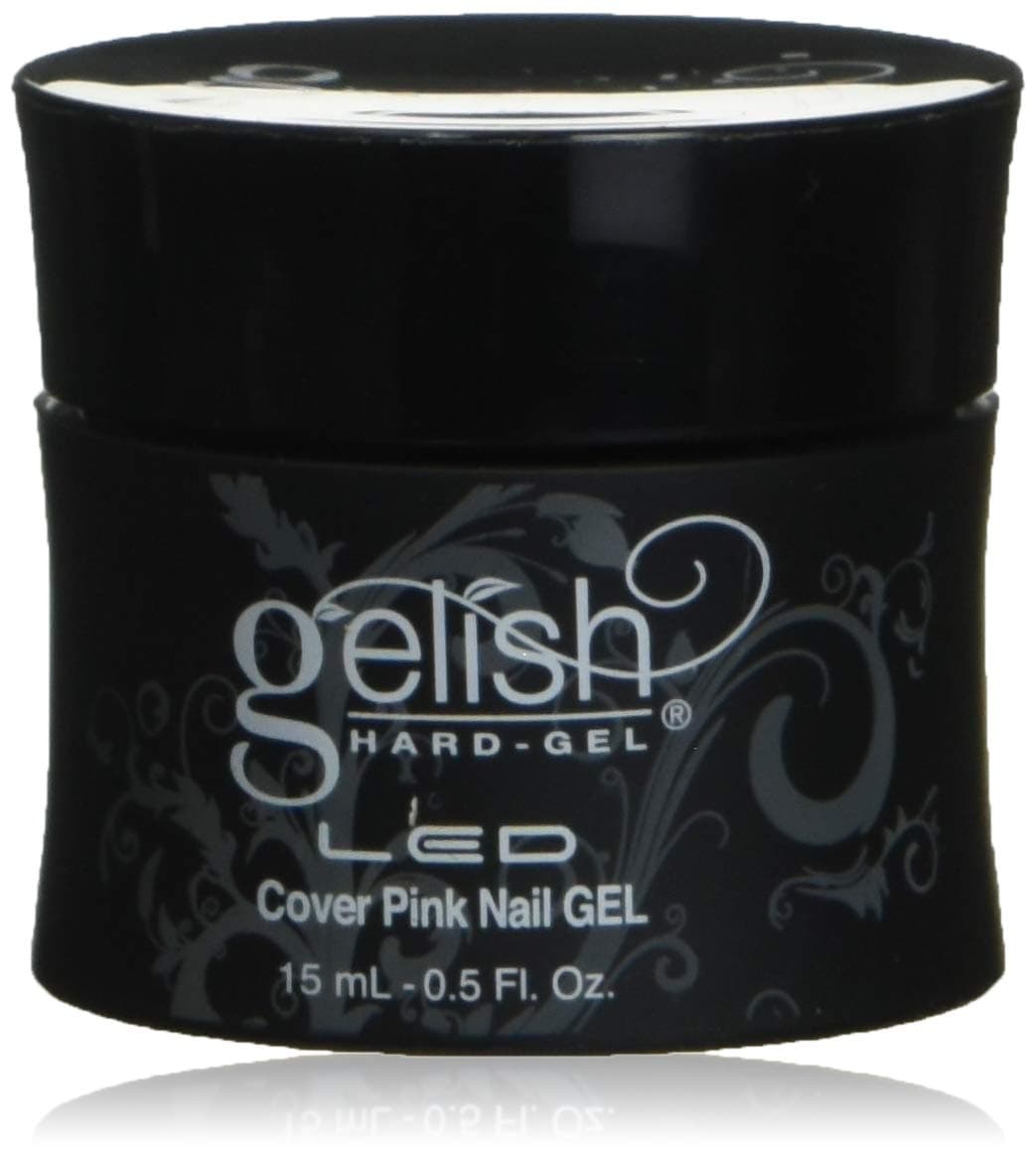
Gelish Structure Brush-On Builder
$25–$50
Also on Amazon
Beetles 3-Piece 15ml Builder Nail Gel Set
$11.39★ 4.6
Pro-grade firm:
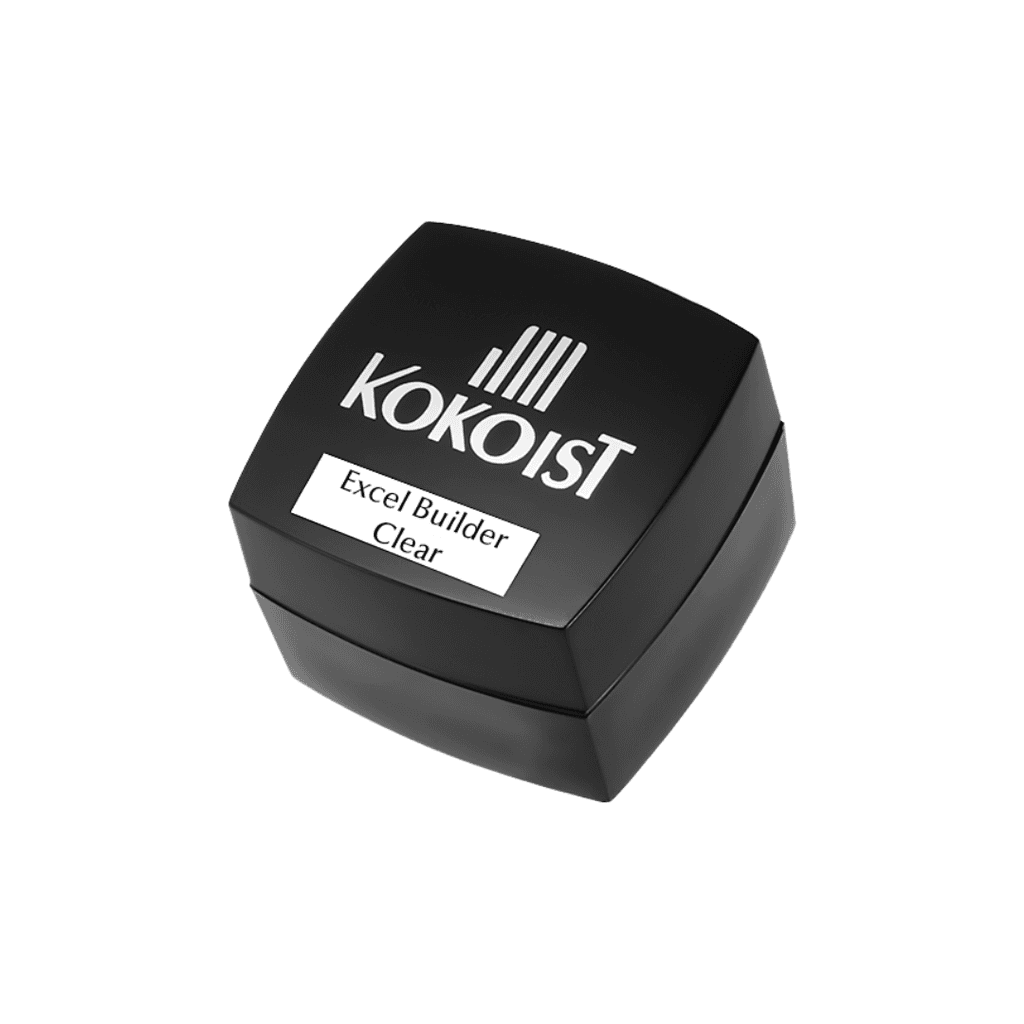
Kokoist Excel Builder Clear
$50–$120
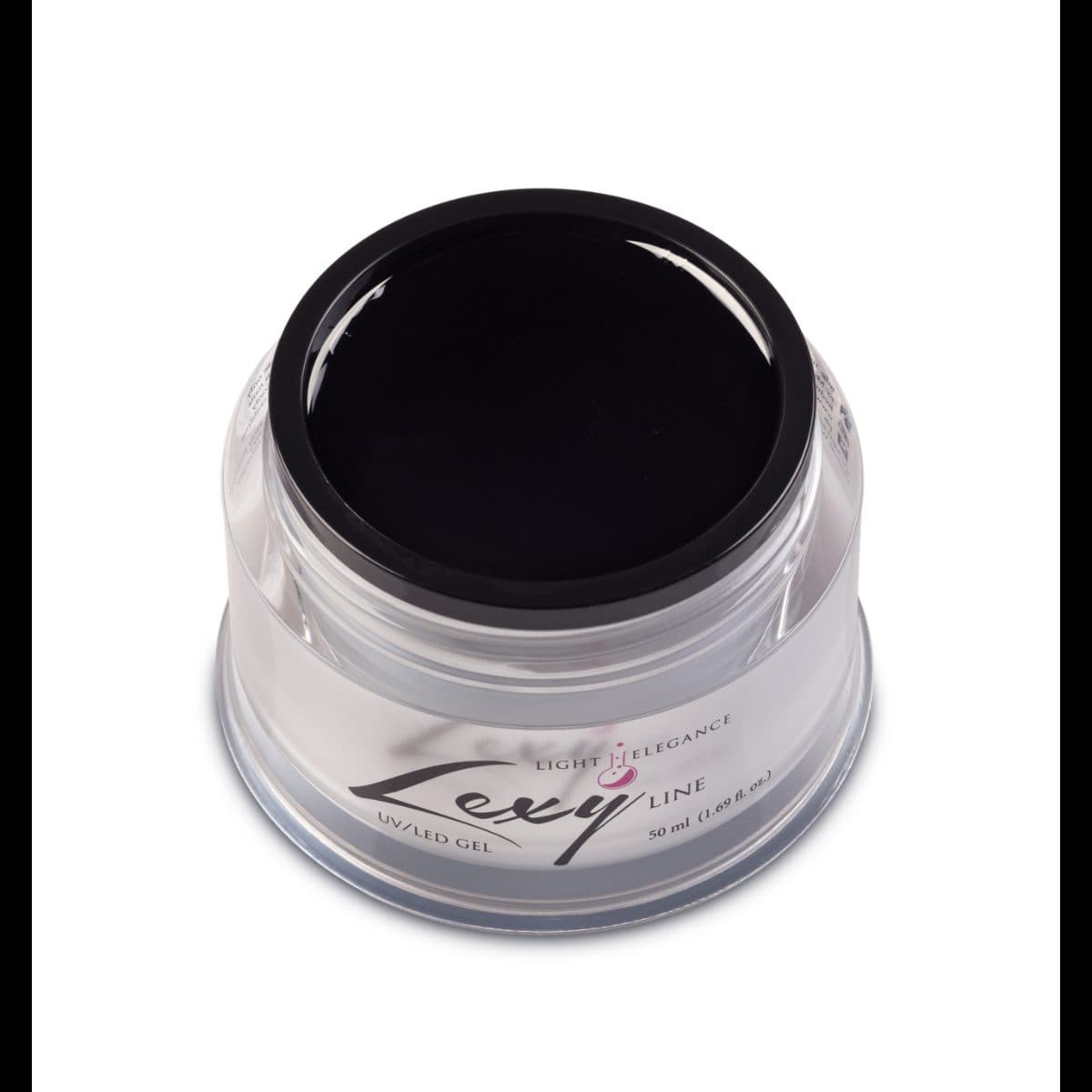
Light Elegance Builder Gel
$120+
For the full breakdown across all 10+ products with use case matching, see best builder gel products or best builder gel kits.
Complete Topic Map
Every guide on this site, organized by what you're trying to do:
If you want to learn what builder gel is:
- This page (you're reading it)
If you want to choose a product:
- Best builder gel kits 2026
- Best builder gel products 2026
- Beetles builder gel review
- Olive & June builder gel review
- Buyer's Guides — all picks
If you want to compare systems:
If you want to apply builder gel:
If something is going wrong:
- Builder gel cracking fixes
- Builder gel lifting fixes
- Why builder gel is sticky
- Builder gel not curing
If you want to remove builder gel:
If you want salon services:
Frequently Asked Questions
What is builder gel? A thicker, photo-cured gel that builds structural support on natural nails or short extensions. Cures under LED/UV light. Most formulas are soak-off. The category includes BIAB, structure gel, and various brand-specific names.
What is builder gel for nails? Same as above. The "for nails" wording usually refers to the use case — strengthening, protecting, or extending nails — rather than a different product category.
What does builder gel do for nails? Three main things: (1) protects weak natural nails by locking peeling layers together, (2) adds structural support so nails resist breaking, (3) provides a smooth, polished surface for color or natural finish.
What does builder gel do? The general answer: it builds a structural overlay on the natural nail. Specifically what it does depends on use case (overlay vs extension vs color manicure).
What is builder gel nails? "Builder gel nails" = natural nails reinforced with a builder gel overlay. Refers to the manicure type, not a separate product.
What is builder gel made of? Acrylate-based monomers and oligomers that cross-link under UV or LED light. Most consumer formulas contain HEMA (2-Hydroxyethyl methacrylate). HEMA-free formulas substitute different acrylates with lower sensitization risk.
Is builder gel the same as BIAB? BIAB™ (Builder In A Bottle) is The GelBottle's specific brand of builder gel in a brush-on bottle format. So BIAB is one specific product within the broader builder gel category.
Is builder gel the same as gel polish? No. Gel polish is decorative color (0.05-0.1mm thick). Builder gel is structural reinforcement (0.5-2mm thick with apex). Different products, different application, different purpose.
Is builder gel the same as polygel? No — different chemistry and application format. Builder gel is self-leveling and applied with a brush. Polygel is putty-like and applied with a spatula + slip solution. See builder gel vs polygel.
How long does builder gel last? 18-25 days typical wear. Up to 28+ days with pro formulas (BIAB, Light Elegance) and a top coat refresh at day 10.
How long does builder gel take to apply? 60-90 minutes for a beginner full set at home. 45-60 minutes for proficient DIY. Salon: 60-90 min.
Is builder gel safe for nails? Yes when applied and removed correctly. Damage comes from bad prep (over-filing) or bad removal (peeling). HEMA sensitization is a long-term cumulative risk for repeated users — see HEMA-free options if you've reacted before.
Can you put builder gel on natural nails? Yes — natural-nail overlays are one of the most common builder gel uses. See builder gel on natural nails.
Builder gel nails best brand? Depends on use case. Modelones for beginners, BIAB for pro brush-on, Light Elegance for advanced sculpting, Au Lait BIAB for HEMA-free. See best builder gel products.
Best builder gel for natural nails? The GelBottle BIAB™ for pro-grade thin overlays, Modelones for budget DIY. Both apply in thin films well-suited for natural-nail use.
Builder gel nails ideas — what styles work best? Sheer milky, nude, clear, or natural-tone overlays for everyday wear. Bold colors and art are possible but require thinner builder layers under color polish. The structural quality of builder gel makes most aesthetic styles workable.
How much do builder gel nails cost? DIY: $45-$110 in year 1 (kit + replacement gel). Salon: $50-$150 per visit, every 3 weeks.
Can you remove builder gel at home? Yes — file-and-soak method works without an e-file. See how to remove builder gel or how to remove builder gel without a drill.
Why does my builder gel keep lifting? Lifting timing tells you the cause. Day 1-3 = prep, day 4-7 = cure or skin contact, day 8+ = impact or top-coat aging. See builder gel lifting fixes.
Why does my builder gel keep cracking? Crack type tells you cause. Free-edge cracks = length issue. Apex cracks = placement issue. Surface cracks = top coat or heat. See builder gel cracking fixes.
Is builder gel better than acrylic? Better for natural-feel overlays, low-odor at-home application, easier removal. Worse for extreme length and maximum impact. See builder gel vs acrylic for the full comparison.
Final Notes from Sara
Builder gel is the most flexible nail enhancement system available in 2026 — it works for natural-nail strengthening, short extensions, salon-grade overlays, and color-builder manicures. The same product handles all four use cases when you understand the technique.
The two skills that matter most:
- Apex placement — get this right and you eliminate 80% of cracking issues
- Removal patience — file 80%, soak 20 minutes, push gently. This protects your natural nails for years.
Everything else is secondary. Bookmark this page as your starting reference. When you have a specific question, follow the link to the dedicated guide for that topic.
If you're starting from scratch, the next steps in order are:
- Pick a kit: best builder gel kits 2026
- Learn the application: how to use builder gel
- Practice on yourself with overlays: builder gel on natural nails
- Learn removal: how to remove builder gel
By set 5, you'll be doing professional-quality builder gel manicures at home.
Last updated May 2026. This article uses AI assistance for research and structure; all techniques, observations, and recommendations come from my own client work as a licensed nail technician.